








1. Что такое блочные магниты NdFeB?

Блочные магниты NdFeB — это высокопрочные постоянные магниты, изготовленные из сплава Neodymium (Nd), железа (Fe) и бора (B). Они отличаются высокими магнитными характеристиками и широко применяются в компактных и высокоэффективных конструкциях.
“Блок” относится к их прямоугольной или квадратной форме с плоскими поверхностями, которые облегчают монтаж и идеально подходят для линейных применений или применений с контактной поверхностью, в отличие от дисковых или кольцевых магнитов.
Благодаря своему составу Nd₂Fe₁₄B магниты NdFeB обладают очень высокой магнитной силой, что делает их самым мощным типом постоянных магнитов, доступных для промышленного применения.
- Технология изготовления блочных магнитов NdFeB
Блочные магниты NdFeB в основном производятся с использованием трёх отработанных технологических процессов: Sintered NdFeB, Bonded NdFeB, и Горячепрессованный / горячедеформированный NdFeB. Среди них, спеченный NdFeB является наиболее распространенным для высокопроизводительных блочных магнитов.
| Тип процесса | Основные процессы | Эксплуатационные характеристики | Сценарии |
| Sintered ND-FE-B | Пропорционирование → плавильный пояс → водородное измельчение → струйное измельчение → прессование с ориентацией в магнитном поле → изостатическое прессование → вакуумный отжиг → отпуск → механическая обработка → поверхностная обработка → намагничивание | Высокая остаточная намагниченность, высокая коэрцитивная сила и высокий объёмный магнитный продукт делают его лучшим среди трёх процессов | Двигатели для автомобилей на новых видах топлива, промышленные сервомоторы, ветроэнергетика, медицинское оборудование MRI и другие области, предъявляющие высокие требования к эксплуатационным характеристикам |
| NDFEB клееный NDFEB | Подготовка магнитного порошка → смешивание со связующим → формирование (каландрирование/литье под давлением/прессование) → отверждение → обработка поверхности → намагничивание | Высокая точность размеров, свобода формы, хорошая механическая прочность, магнитные свойства, приблизительно соответствующие марки 50%-70% после спекания | Микромоторы, жесткие диски, офисное оборудование OA, автомобильные микромоторы и другие прецизионные, массовые сценарии |
| Горячепрессованный/горячедеформированный НДФБ | Быстрая закалка магнитных порошков → горячее прессование → высокотемпературная горячая деформация → диффузия по границам зерен → последующая обработка | Высокая плотность, высокая ориентация, хорошая коррозионная стойкость, магнитные свойства между спеканием и скреплением | Автомобильные системы EPS, высокопроизводительные микромоторы, специальные датчики и другие области, где требуются баланс производительности и стоимости |
Sintered NdFeB
- Ингредиент и плавлениеСмешайте Nd, Fe, B и добавки (Dy, Nb, Al) пропорционально, расплавьте в вакуумной индукционной печи и измельчите сплав в хлопья методом литья полосы.
- Изготовление порошка: Измельчить в грубый порошок с помощью HD, затем довести до 3-5 мкм сферического порошка с помощью ACM, контролируя размер частиц.
- Ориентация и формированиеПорошок помещается в форму, выравнивается под действием магнитного поля, а затем уплотняется методом штамповки в матрице или изостатического прессования.
- Синтеризация и закалкаСпечь при 1065–1080°C в течение 5 часов в вакууме, затем провести отпуск при 900°C и 520°C для улучшения коэрцитивной силы.
- После лечения: Заглубить машину в блоки, нанести защитное покрытие (никелирование/меднение/никелирование, эпоксидное покрытие) и намагнитить для получения готовой продукции.
Ключевые моменты процесса
- Sintered NdFeB: Ядро — это контроль кислорода и оптимизация микроструктуры; диффузия по границам зерен улучшает жаропрочность и коррозионную стойкость.
- Bonded NdFeB: Нет сложной механической обработки, высокое использование материала, подходит для небольших высокоточных блочных магнитов.
- 1ТП53Т, полученный методом горячего прессования/горячей деформации: Высокая температура/давление для выравнивания зерен, мелкие зерна, подходят для сценариев баланса производительности и стоимости.
3. Основные характеристики блочных магнитов NdFeB
Высокая магнитная сила
Блочные магниты NdFeB предлагают high remanence and strong coercivity, allowing them to generate powerful magnetic force even in compact sizes. This makes them ideal for applications requiring strong performance in limited space.
Compact Rectangular Geometry
Предлог rectangular shape provides flat surfaces and straight edges, making these magnets easy to install and align. They can closely fit against flat components, improving contact and magnetic efficiency.
Material Grades (NdFeB Grades)
Common grades include N35, N42, and N52, which indicate different magnetic strengths. Higher grades provide stronger performance but may come with higher cost, requiring a balance based on application needs.
Temperature Performance
NdFeB block magnets have a standard working temperature range, while different grades offer varying heat resistance. Selecting the right grade is important for stable performance in high-temperature environments.
4. Standard Sizes and Dimensional Tolerance
Common Dimensions

NdFeB block magnets are typically defined by Length × Width × Thickness (L × W × T). They are available in a wide range of standard sizes, suitable for various industrial and commercial applications.
Tolerance and Precision
These magnets can be manufactured with tight dimensional tolerances to ensure consistency and reliable performance, which is especially important for applications requiring precise fit and stable magnetic behavior. Typically, tolerances are controlled as follows:
- Размеры более 10 мм: +/- 0,1 мм
- Размеры 10 мм и менее: +/- 0,02 мм
5. Magnetization Direction of Block Magnets
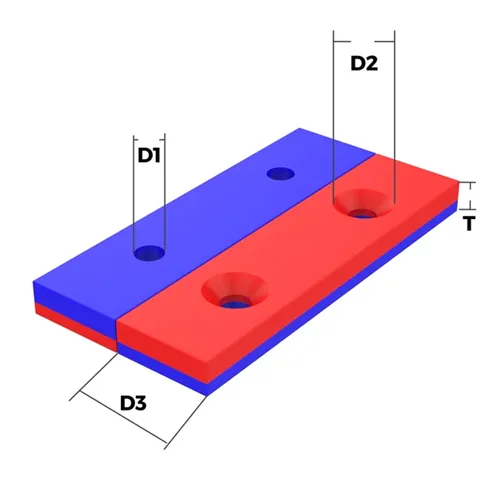
Multi-pole Magnetization
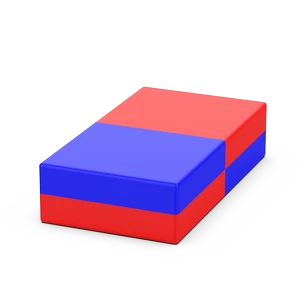
Multi-pole magnetization refers to multiple alternating north and south poles distributed on one surface. It is used in specific applications requiring controlled magnetic fields or enhanced surface interaction.
Magnetized through Thickness
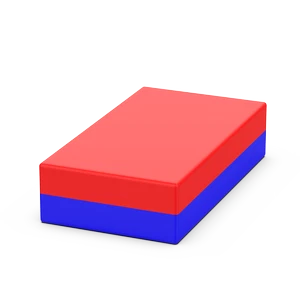
This is the most common magnetization method, where the magnetic field runs through the thickness of the block. It is widely used in general applications due to its strong and uniform magnetic output.
Magnetized through Length or Width Direction
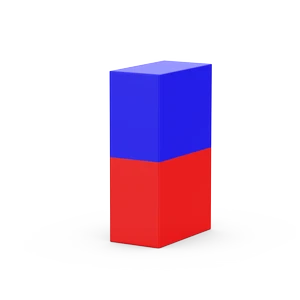
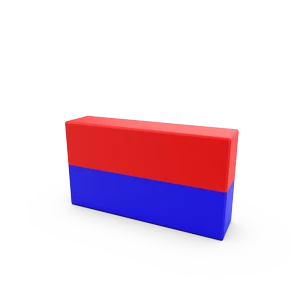
In this case, the magnet is magnetized along its length or width. This type is typically required for special designs, where the magnetic field needs to act along a specific direction. Proper consideration of assembly structure and magnetic path is essential.
6. Surface Coating and Protection
Why Coating Is Necessary
NdFeB block magnets are prone to corrosion and oxidation, so surface coatings are essential to improve durability and extend service life.
Common Coating Types
Базовая защита металла
- Nickel (Ni-Cu-Ni): The most widely used industrial coating. This Ni-Cu-Ni (Nickel-Copper-Nickel) triple-layer plating offers strong mechanical durability and a bright, polished surface. It is ideal for most indoor and dry industrial applications.
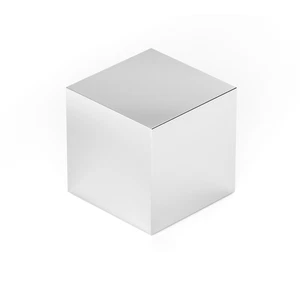
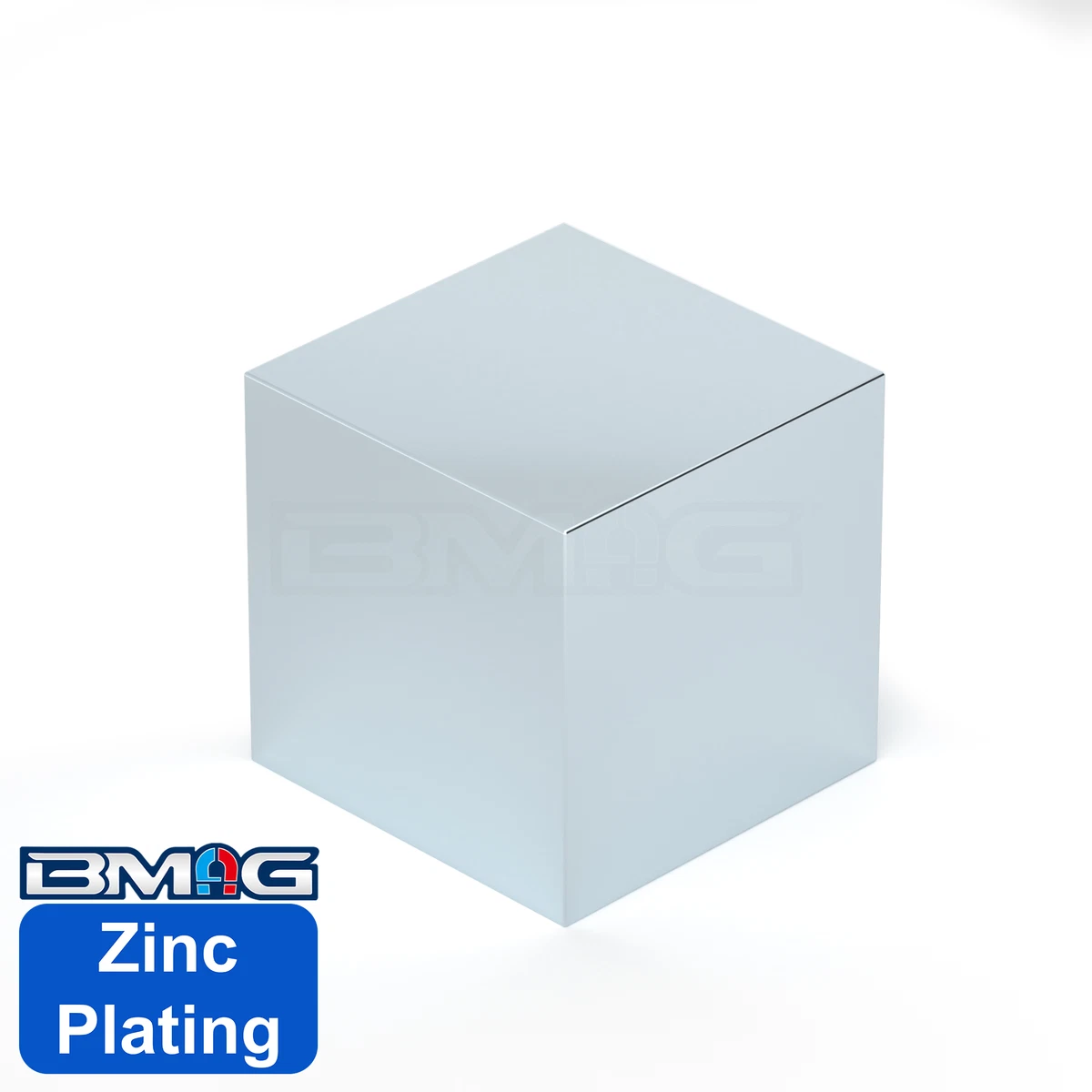
Цинк (Zn): A cost-effective coating option with a bluish-white appearance. It offers lower corrosion resistance compared to nickel and is mainly used for bulk industrial applications where cost is the primary concern and appearance is less important.
Усиленная промышленная защита
- Черный никель: Applied as a black metal layer over nickel plating, it combines the durability of nickel with an elegant deep black metallic finish, making it a popular choice for high-end consumer electronics.
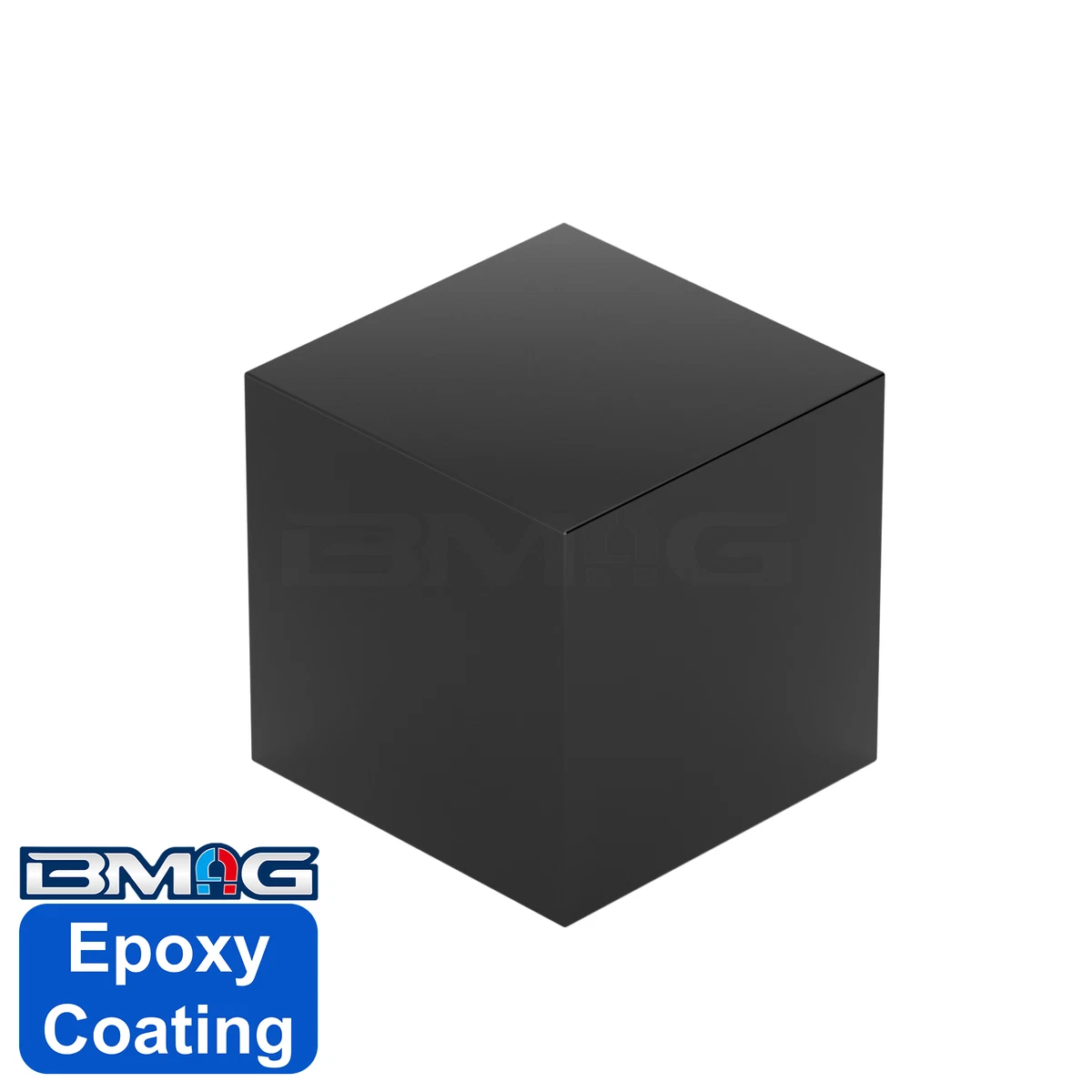
Эпоксидная смола: Often compared to a “protective shell”, epoxy coatings are typically available in black or white and provide excellent resistance to water, chemicals, and salt spray. They also offer electrical insulation due to their non-conductive properties.
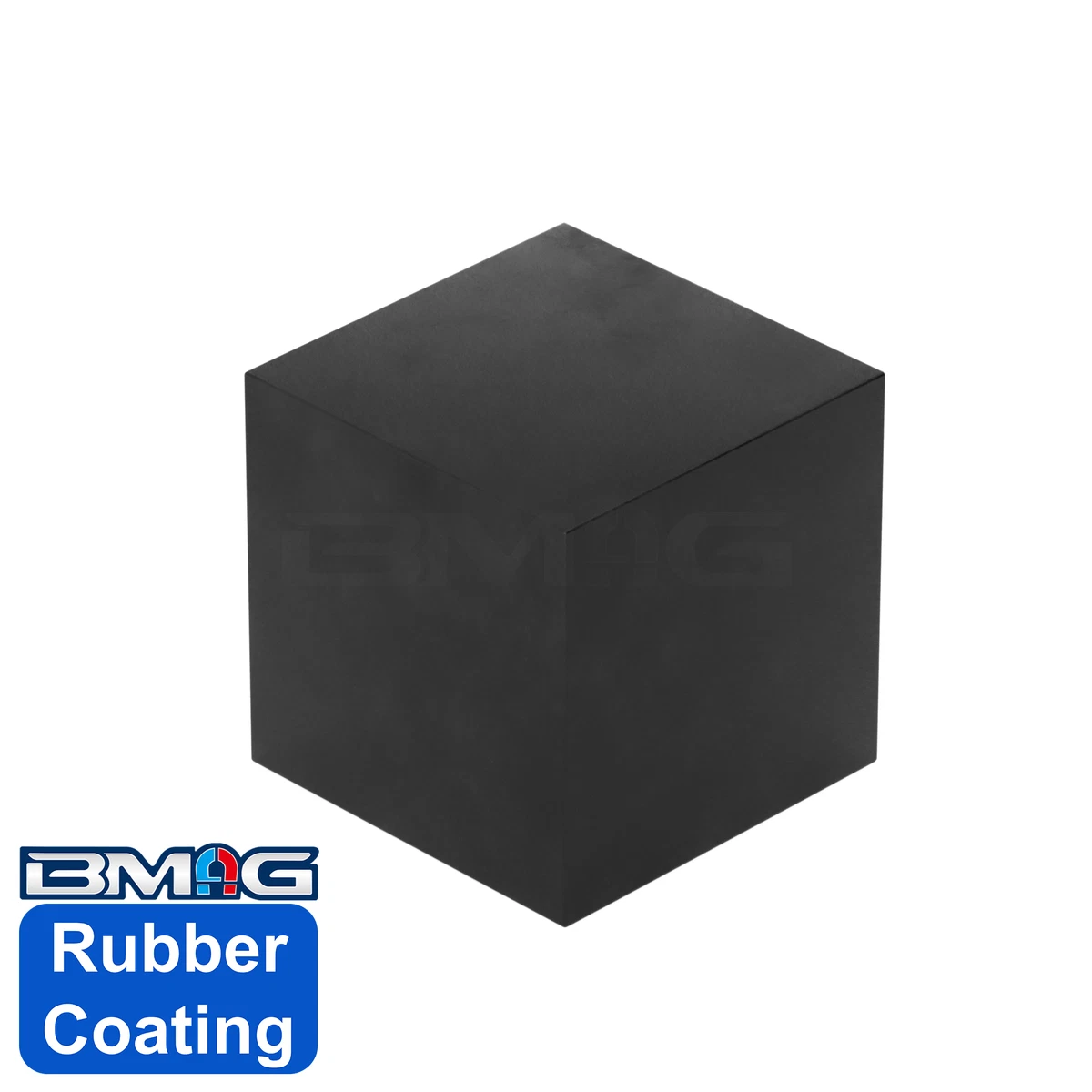
Резина: Rubber coatings are primarily used for grip, sealing, and impact protection. They offer flexibility, shock absorption, and anti-slip performance, making them suitable for applications where surface protection and friction are important.
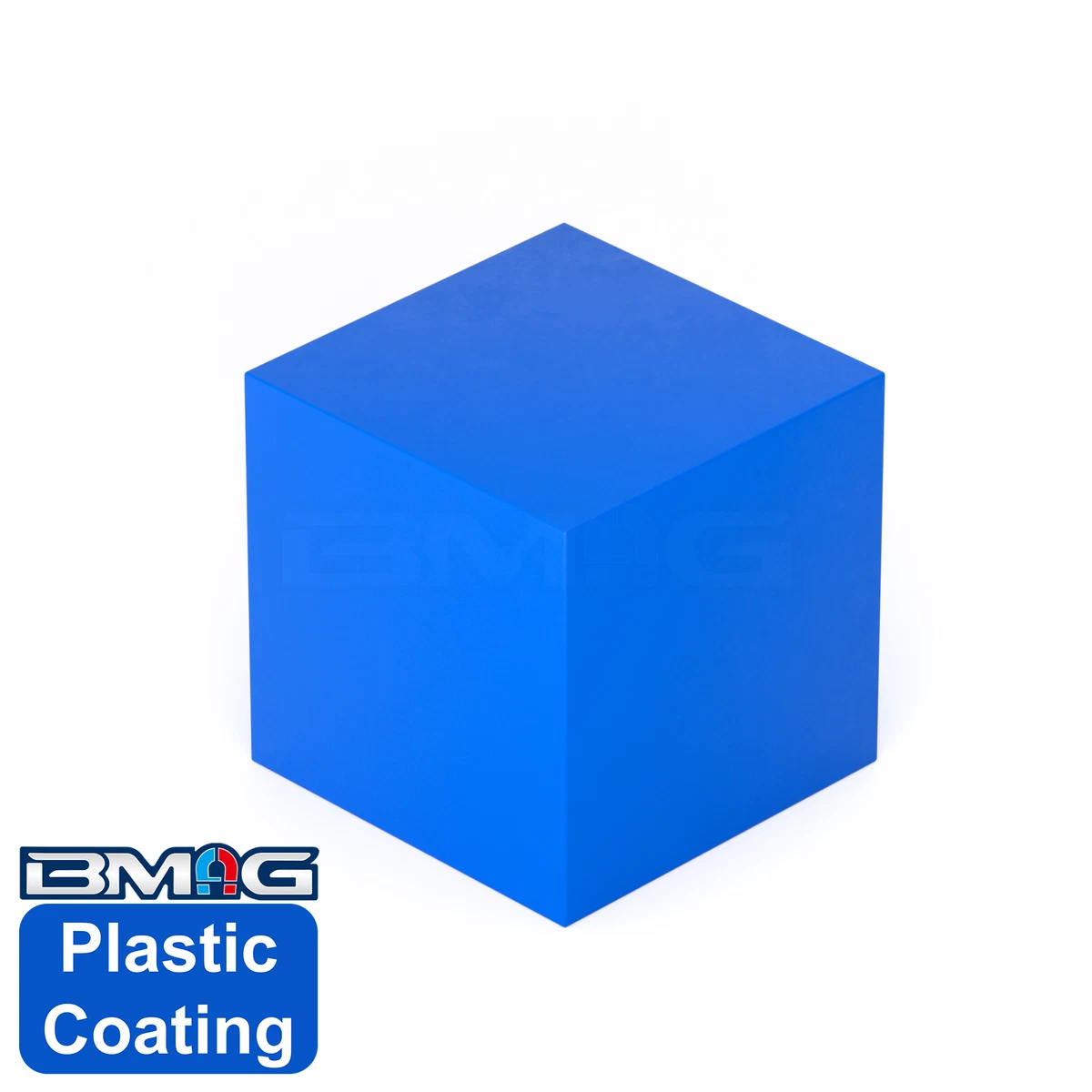
Пластик: Provides full waterproof, sealed protection for humid or outdoor environments. It is harder than rubber, highly puncture-resistant, and remains stable without cracking or becoming sticky. The smooth surface resists dust, supports color options, and is suitable for hygienic or color-coded use.
Специализированная защита для различных применений (точность и химическая стойкость)
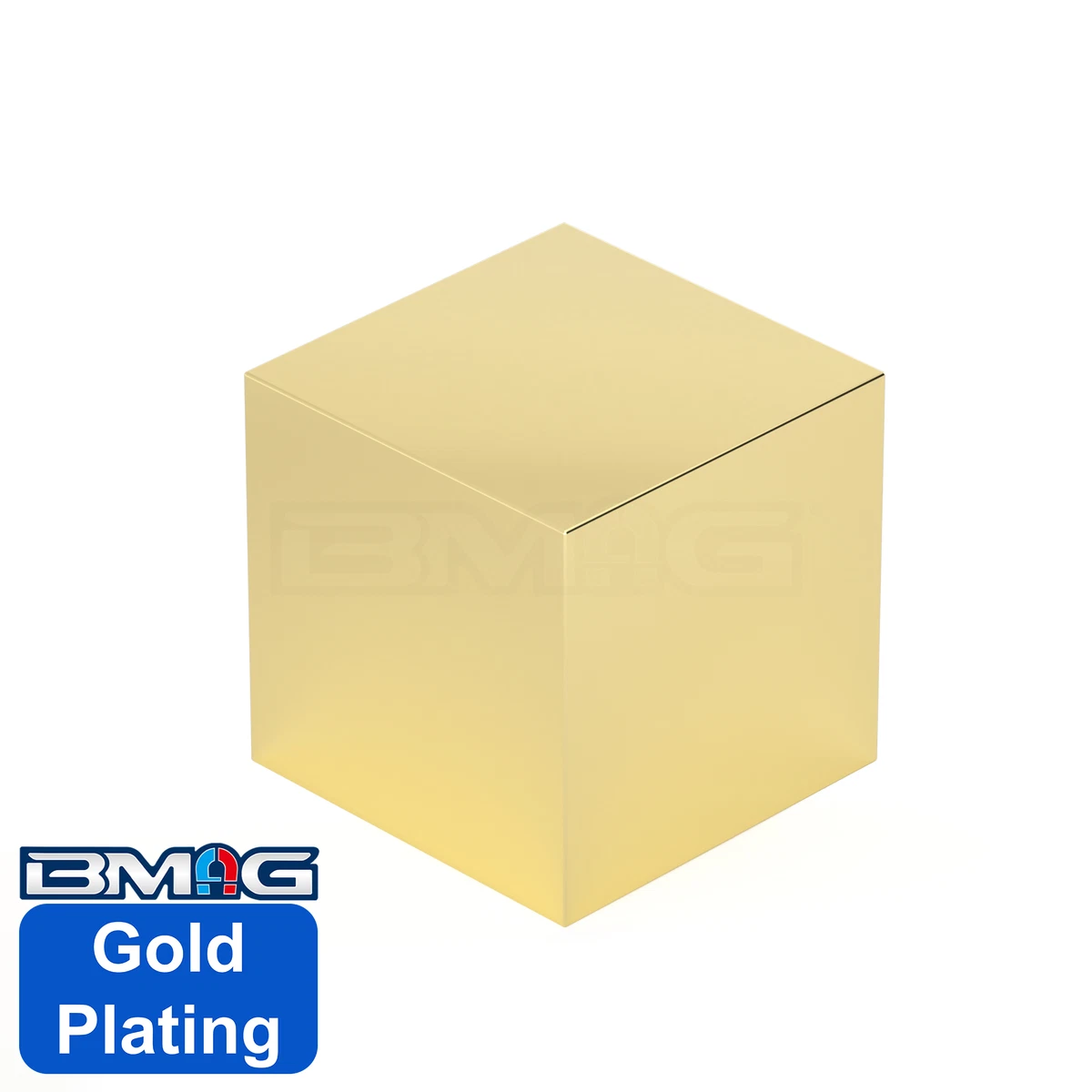
- Gold (Au): Offers excellent biocompatibility and is widely used in medical devices such as dental implants and hearing aids. It is highly stable and does not trigger allergic reactions in the human body.
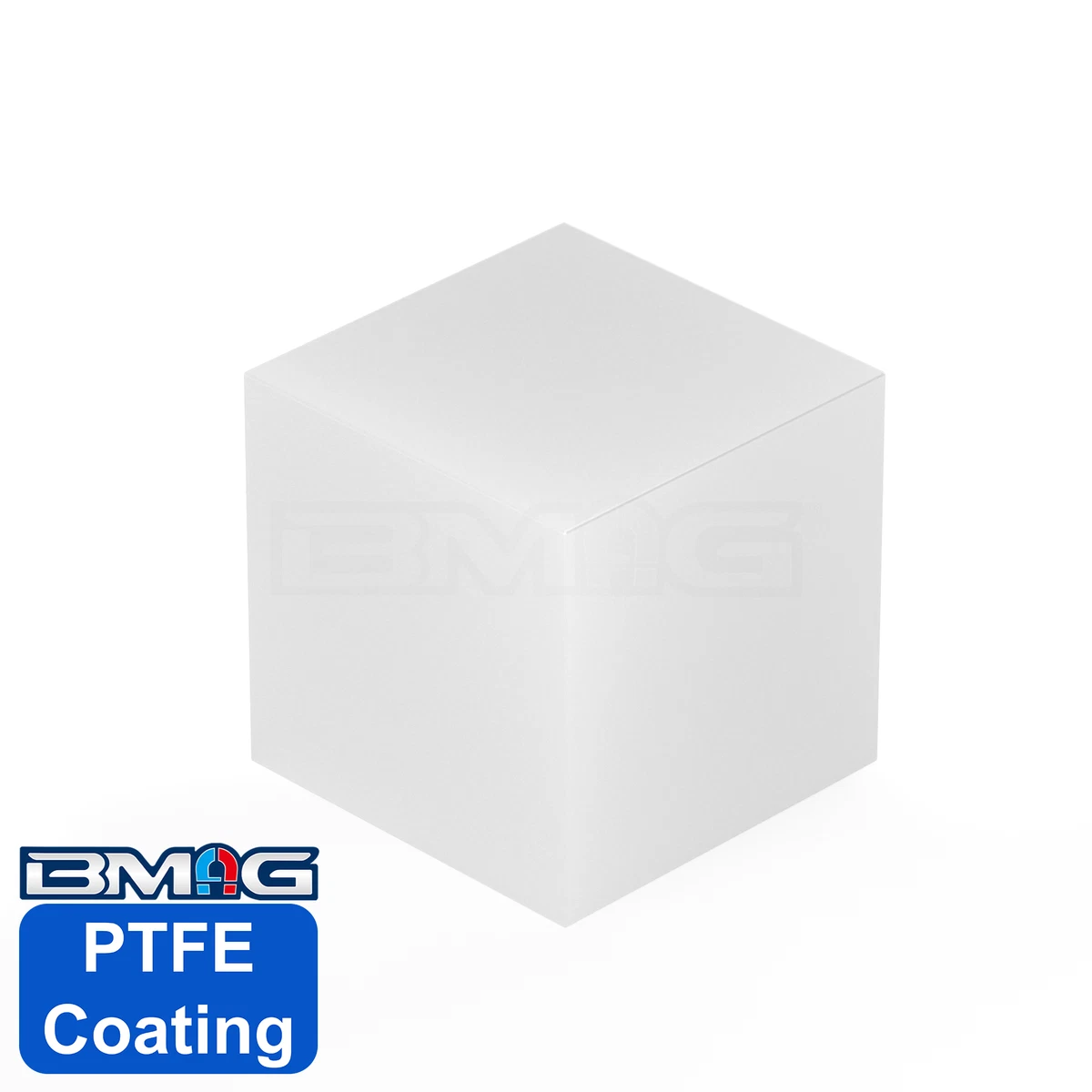
PTFE (Teflon): Widely used in chemical laboratories due to its outstanding resistance to acids and alkalis, as well as its extremely low friction coefficient. It is commonly applied in laboratory magnetic stir bars.
7. Advantages of NdFeB Block Magnets Compared to Other Shapes
Better Surface Contact
NdFeB block magnets have flat, rectangular surfaces that allow larger and more stable contact areas, improving holding force in surface-mounted applications.
Easier Industrial Assembly
Their straight edges and uniform geometry make them easier to position, align, and integrate into mechanical structures, especially in automated assembly processes.
Higher Efficiency in Linear Applications
In linear or directional systems, block magnets provide more efficient magnetic distribution, making them ideal for actuators, sensors, and magnetic assemblies requiring directional force.
Comparison Table
| Характеристика | Блоки магнитов | Disc Magnets | Кольцевые магниты |
| Surface Contact | Large, flat contact area | Limited circular contact | Inner/outer edge contact |
| Assembly Ease | Very easy to align and fix | Moderate | Moderate |
| Linear Application Efficiency | Высокий | Середина | Low to medium |
| Structural Fit | Excellent for flat surfaces | Less adaptable | Suitable for rotating systems |
8. Applications of NdFeB Block Magnets
NdFeB block magnets are used across a wide range of industries due to their strong magnetic performance and compact rectangular shape.
- Motors and generators – used to provide stable and efficient magnetic force
- Automation equipment – applied in robotic systems and production lines
- Magnetic fixtures and holders – for clamping, positioning, and assembly
- Sensors and electronic devices – used in detection and signal control systems
- Industrial equipment – integrated into various mechanical and manufacturing systems
9. How to Choose the Right NdFeB Block Magnets
Size Selection
Choose the dimensions (L × W × T) based on the required holding force, installation space, and structural design requirements.
Grade Selection
Select the appropriate NdFeB grade (such as N35, N42, N52) according to the balance between magnetic strength, performance needs, and cost.
Направление намагничивания
Determine the magnetization direction (thickness, length, or width) based on the magnetic circuit design and application structure to ensure optimal performance.
Working Environment Considerations
Consider operating conditions such as temperature, humidity, and corrosion risk, and select suitable protection and material grade to ensure stable long-term performance.
10. Conclusion
NdFeB block magnets are the strongest permanent magnets available, offering exceptional power, compact size, and customizable grades, coatings and magnetization directions to fit any industrial or commercial application.
For high-quality, reliable neodymium block magnets tailored to your needs, visit BMAG magnet today.