








1. What Are NdFeB Block Magnets?

NdFeB block magnets are high-strength permanent magnets made from Neodymium (Nd), Iron (Fe), and Boron (B). Known for their powerful magnetic performance, they are widely used in compact and high-efficiency designs.
“Block” refers to their rectangular or square shape, with flat surfaces that make them easy to mount and ideal for linear or surface-contact applications—unlike disc or ring magnets.
Thanks to their Nd₂Fe₁₄B composition, NdFeB magnets offer very high magnetic strength, making them the strongest type of permanent magnet available for industrial use.
- Manufacturing Process of NdFeB Block Magnets
NdFeB block magnets are mainly produced through three mature processes: Sintered NdFeB, Bonded NdFeB, e Hot-Pressed / Hot-Deformed NdFeB. Among them, sintered NdFeB is the most widely used for high-performance block magnets.
| Type of process | Core processes | Performance characteristics | Scenarios |
| Sintered ND-FE-B | Proportioning → melting belt → hydrogen crushing → jet milling → magnetic field oriented pressing → isostatic pressing → vacuum sintering → tempering → machining → surface treatment → magnetizing | High remanence, high coercivity and high magnetic energy product make it the best among the three processes | New energy vehicle motors, industrial servo motors, wind power generation, MRI medical equipment and other fields with high performance requirements |
| NDFEB bonded ndfeb | Preparation of magnetic powder → mixing with binder → forming (calendering/injection/molding)→ curing → surface treatment → magnetization | High dimensional accuracy, shape degree of freedom, good mechanical strength, magnetic properties of about 50%-70% of sintering | Micro-motors, hard disk drives, office OA equipment, automotive micro-motors and other precision, mass scenarios |
| Hot-pressed/hot-deformed NDFEB | Rapid quenching magnetic powder → hot pressing → high temperature hot deformation → grain boundary diffusion → post treatment | High density, high orientation, good corrosion resistance, magnetic properties between sintering and bonding | Automotive EPS systems, high-performance micro-motors, special sensors and other areas of performance and cost balance requirements |
Sintered NdFeB
- Ingredient & Melting: Mix Nd, Fe, B and additives (Dy, Nb, Al) proportionally, melt in vacuum induction furnace, and make alloy flakes by strip casting.
- Powder Making: Crush into coarse powder via HD, then refine to 3-5μm spherical powder by ACM, controlling particle size.
- Orientation & Forming: The powder is placed in a mold, aligned under a magnetic field, and then compacted by die pressing or isostatic pressing.
- Sintering & Tempering: Sinter at 1065–1080°C for 5h in vacuum, then temper at 900°C and 520°C to improve coercivity.
- Post-treatment: Machine into blocks, apply surface protection (Ni/Cu/Ni plating, epoxy coating), and magnetize to get finished products.
Key Process Points
- Sintered NdFeB: Core is oxygen control and microstructure optimization; grain boundary diffusion improves high-temperature and corrosion resistance.
- Bonded NdFeB: No complex machining, high material utilization, suitable for small high-precision block magnets.
- Hot-Pressed/Hot-Deformed NdFeB: High temp/pressure for grain alignment, fine grains, suitable for performance-cost balance scenarios.
3. Key Characteristics of NdFeB Block Magnets
High Magnetic Strength
NdFeB block magnets offer high remanence and strong coercivity, allowing them to generate powerful magnetic force even in compact sizes. This makes them ideal for applications requiring strong performance in limited space.
Compact Rectangular Geometry
The rectangular shape provides flat surfaces and straight edges, making these magnets easy to install and align. They can closely fit against flat components, improving contact and magnetic efficiency.
Material Grades (NdFeB Grades)
Common grades include N35, N42, and N52, which indicate different magnetic strengths. Higher grades provide stronger performance but may come with higher cost, requiring a balance based on application needs.
Temperature Performance
NdFeB block magnets have a standard working temperature range, while different grades offer varying heat resistance. Selecting the right grade is important for stable performance in high-temperature environments.
4. Standard Sizes and Dimensional Tolerance
Common Dimensions

NdFeB block magnets are typically defined by Length × Width × Thickness (L × W × T). They are available in a wide range of standard sizes, suitable for various industrial and commercial applications.
Tolerance and Precision
These magnets can be manufactured with tight dimensional tolerances to ensure consistency and reliable performance, which is especially important for applications requiring precise fit and stable magnetic behavior. Typically, tolerances are controlled as follows:
- Dimensões acima de 10 mm: +/- 0,1 mm
- Dimensões de 10 mm ou menos: +/- 0,02 mm
5. Magnetization Direction of Block Magnets
Multi-pole Magnetization
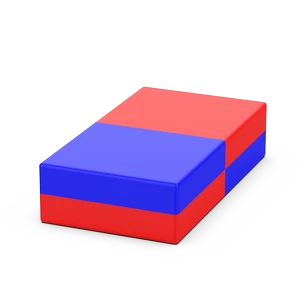
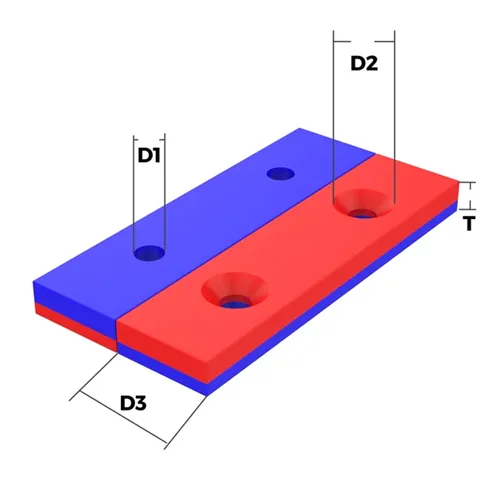
Multi-pole magnetization refers to multiple alternating north and south poles distributed on one surface. It is used in specific applications requiring controlled magnetic fields or enhanced surface interaction.
Magnetized through Thickness
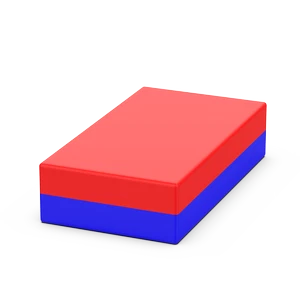
This is the most common magnetization method, where the magnetic field runs through the thickness of the block. It is widely used in general applications due to its strong and uniform magnetic output.
Magnetized through Length or Width Direction
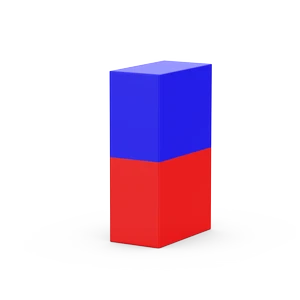
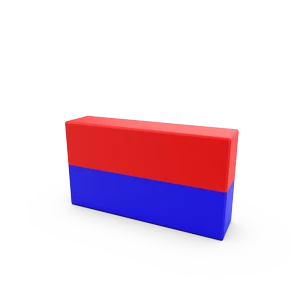
In this case, the magnet is magnetized along its length or width. This type is typically required for special designs, where the magnetic field needs to act along a specific direction. Proper consideration of assembly structure and magnetic path is essential.
6. Surface Coating and Protection
Why Coating Is Necessary
NdFeB block magnets are prone to corrosion and oxidation, so surface coatings are essential to improve durability and extend service life.
Common Coating Types
Basic Metal Protection
- Nickel (Ni-Cu-Ni): The most widely used industrial coating. This Ni-Cu-Ni (Nickel-Copper-Nickel) triple-layer plating offers strong mechanical durability and a bright, polished surface. It is ideal for most indoor and dry industrial applications.
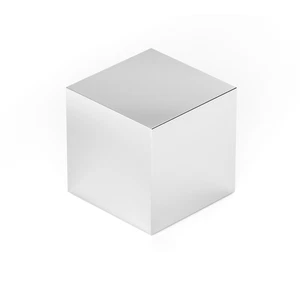
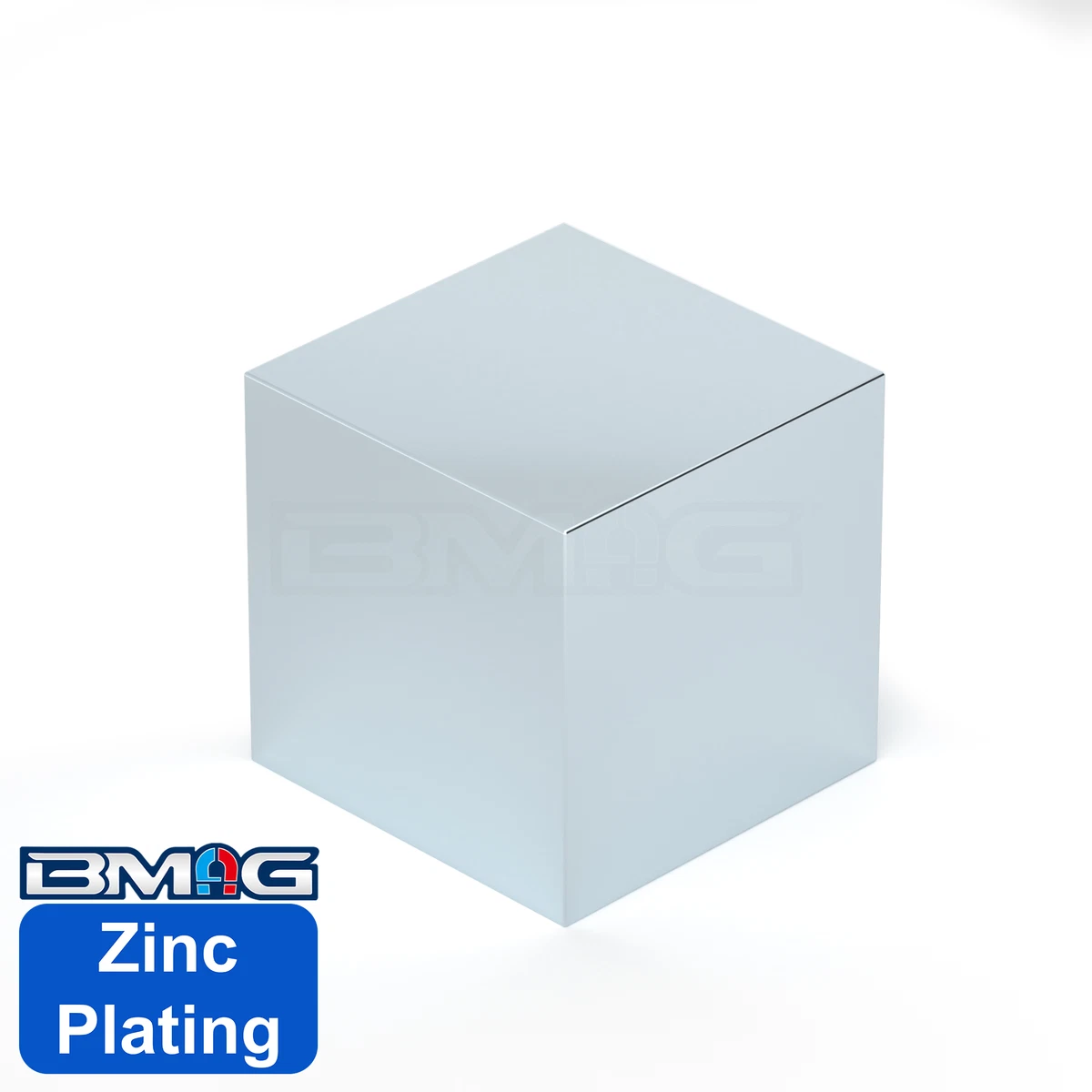
Zinc (Zn): A cost-effective coating option with a bluish-white appearance. It offers lower corrosion resistance compared to nickel and is mainly used for bulk industrial applications where cost is the primary concern and appearance is less important.
Enhanced Industrial Protection
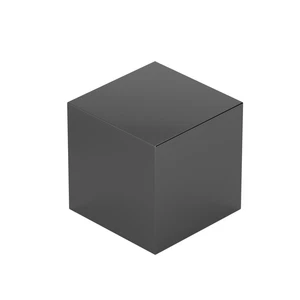
- Níquel preto: Applied as a black metal layer over nickel plating, it combines the durability of nickel with an elegant deep black metallic finish, making it a popular choice for high-end consumer electronics.
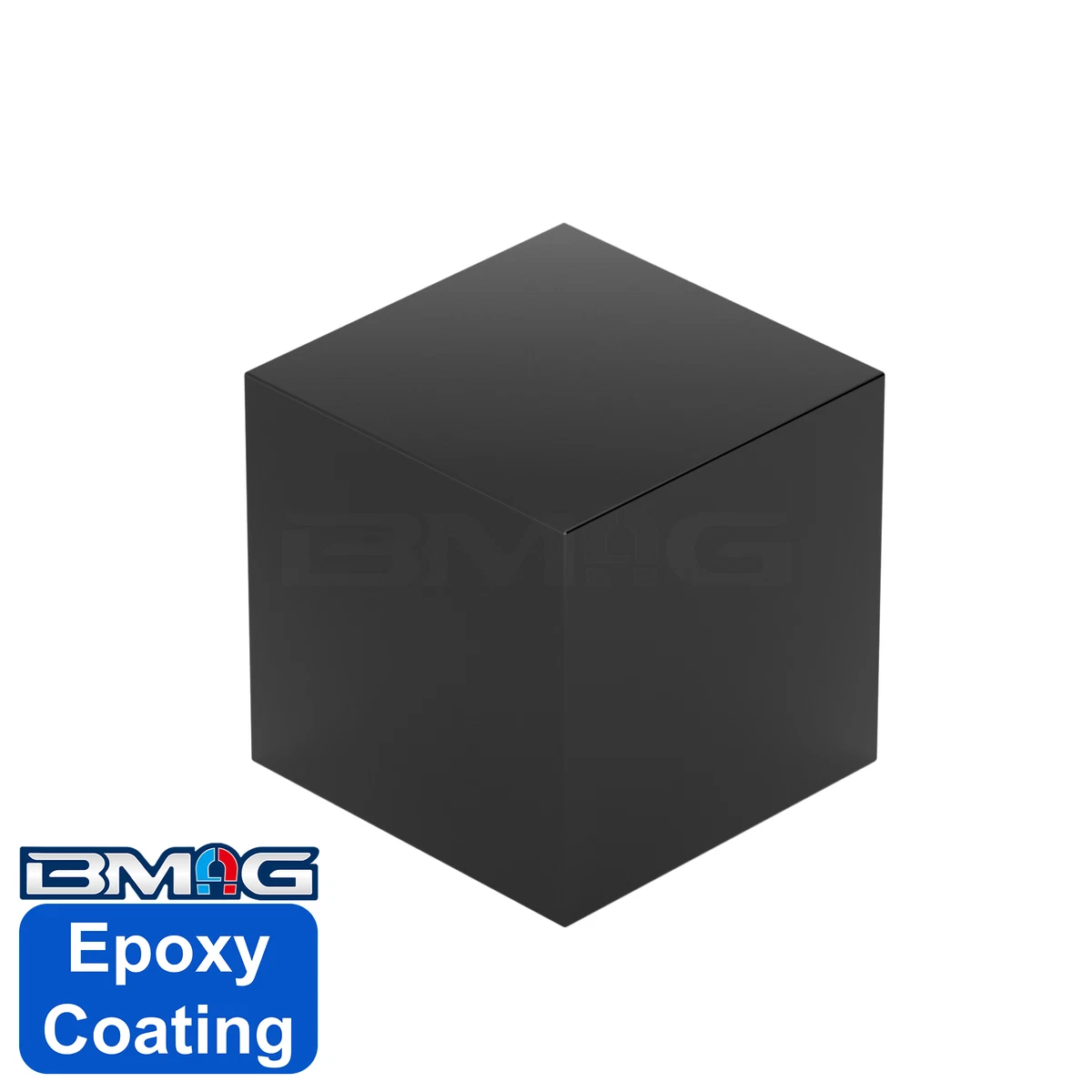
Epóxi: Often compared to a “protective shell”, epoxy coatings are typically available in black or white and provide excellent resistance to water, chemicals, and salt spray. They also offer electrical insulation due to their non-conductive properties.
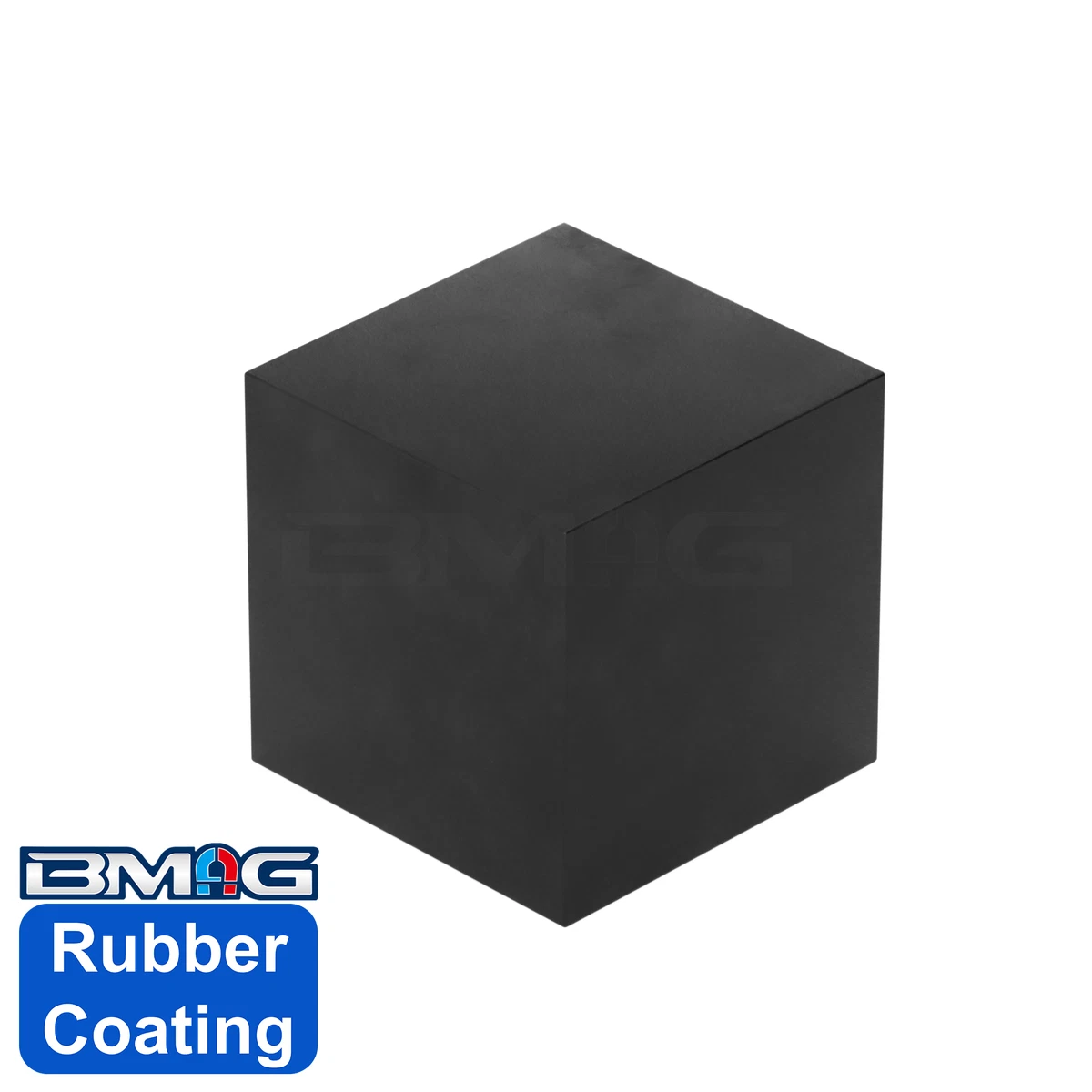
Borracha: Rubber coatings are primarily used for grip, sealing, and impact protection. They offer flexibility, shock absorption, and anti-slip performance, making them suitable for applications where surface protection and friction are important.
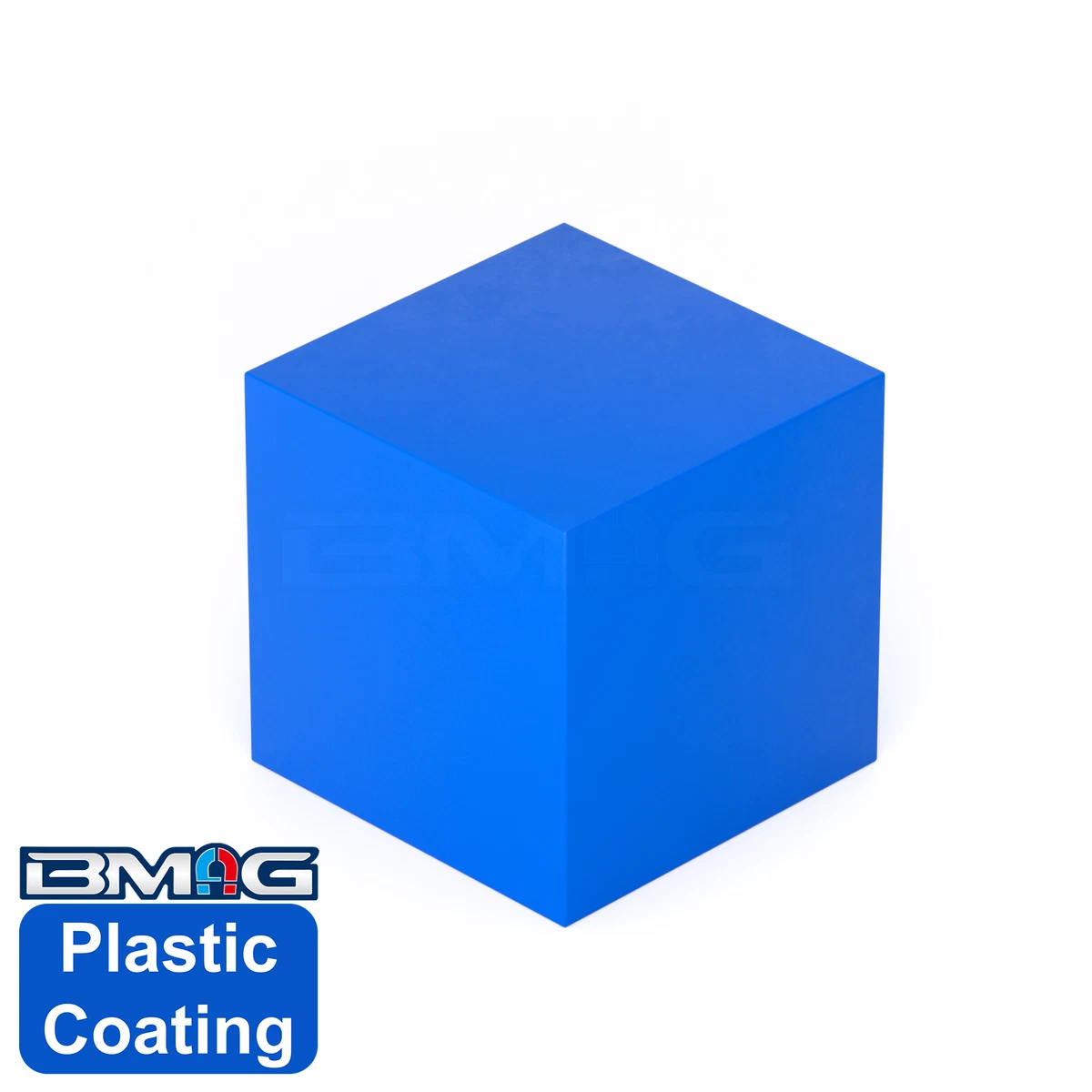
Plástico: Provides full waterproof, sealed protection for humid or outdoor environments. It is harder than rubber, highly puncture-resistant, and remains stable without cracking or becoming sticky. The smooth surface resists dust, supports color options, and is suitable for hygienic or color-coded use.
Specialized Application Protection (Precision & Chemical Resistance)
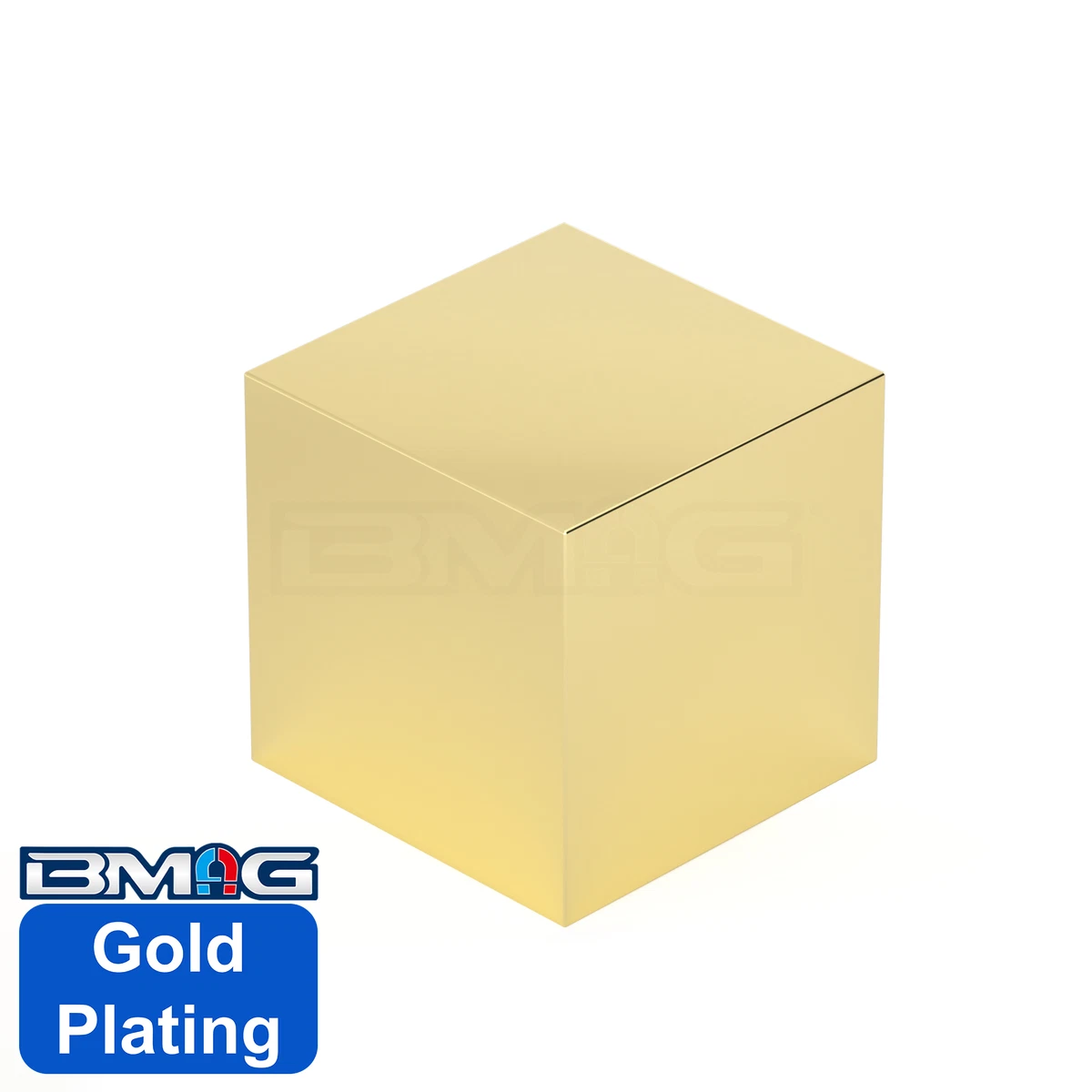
- Gold (Au): Offers excellent biocompatibility and is widely used in medical devices such as dental implants and hearing aids. It is highly stable and does not trigger allergic reactions in the human body.
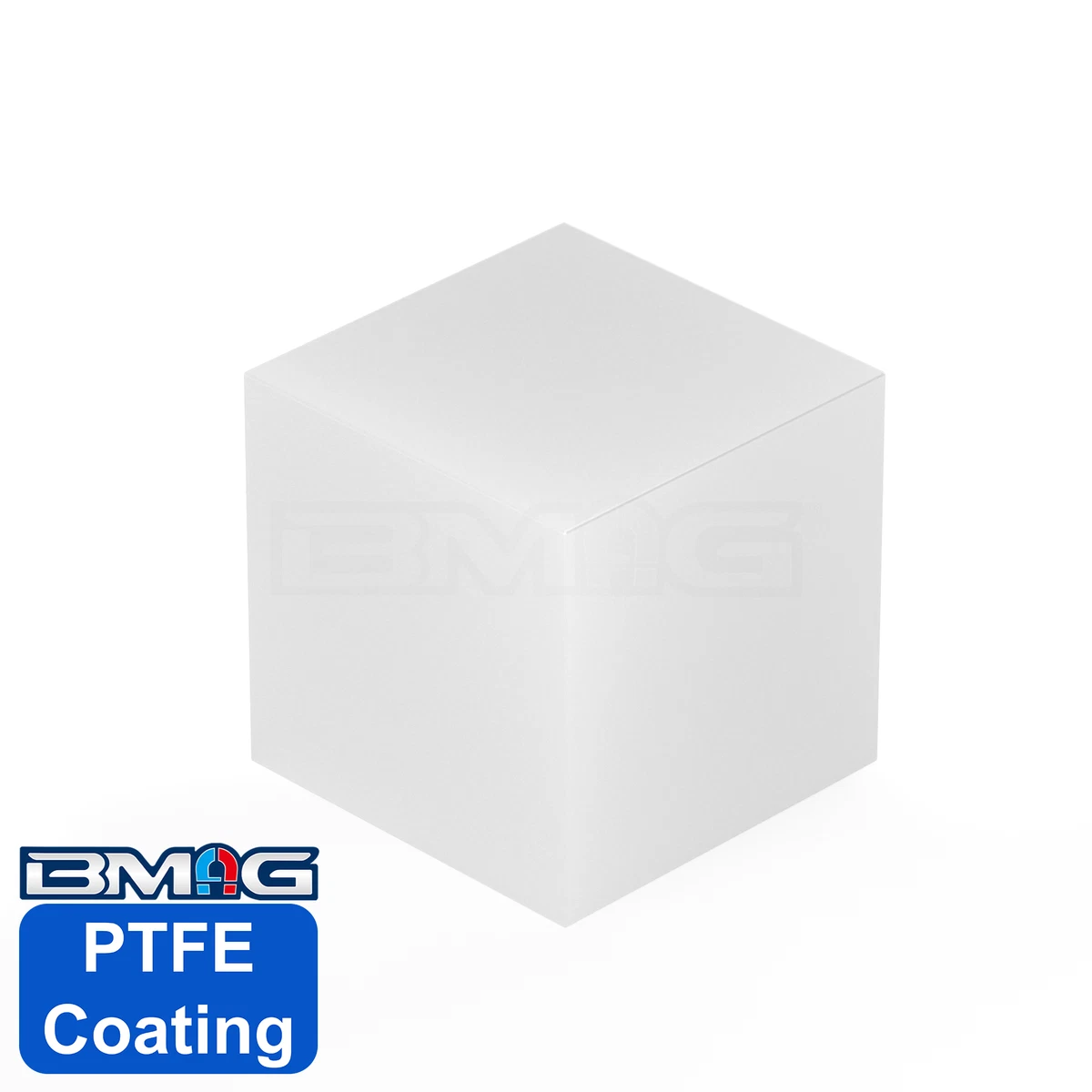
PTFE (Teflon): Widely used in chemical laboratories due to its outstanding resistance to acids and alkalis, as well as its extremely low friction coefficient. It is commonly applied in laboratory magnetic stir bars.
7. Advantages of NdFeB Block Magnets Compared to Other Shapes
Better Surface Contact
NdFeB block magnets have flat, rectangular surfaces that allow larger and more stable contact areas, improving holding force in surface-mounted applications.
Easier Industrial Assembly
Their straight edges and uniform geometry make them easier to position, align, and integrate into mechanical structures, especially in automated assembly processes.
Higher Efficiency in Linear Applications
In linear or directional systems, block magnets provide more efficient magnetic distribution, making them ideal for actuators, sensors, and magnetic assemblies requiring directional force.
Comparison Table
| Featura | Block Magnets | Disc Magnets | Ring Magnets |
| Surface Contact | Large, flat contact area | Limited circular contact | Inner/outer edge contact |
| Assembly Ease | Very easy to align and fix | Moderate | Moderate |
| Linear Application Efficiency | High | Medium | Low to medium |
| Structural Fit | Excellent for flat surfaces | Less adaptable | Suitable for rotating systems |
8. Applications of NdFeB Block Magnets
NdFeB block magnets are used across a wide range of industries due to their strong magnetic performance and compact rectangular shape.
- Motors and generators – used to provide stable and efficient magnetic force
- Automation equipment – applied in robotic systems and production lines
- Magnetic fixtures and holders – for clamping, positioning, and assembly
- Sensors and electronic devices – used in detection and signal control systems
- Industrial equipment – integrated into various mechanical and manufacturing systems
9. How to Choose the Right NdFeB Block Magnets
Size Selection
Choose the dimensions (L × W × T) based on the required holding force, installation space, and structural design requirements.
Grade Selection
Select the appropriate NdFeB grade (such as N35, N42, N52) according to the balance between magnetic strength, performance needs, and cost.
Direção de magnetização
Determine the magnetization direction (thickness, length, or width) based on the magnetic circuit design and application structure to ensure optimal performance.
Working Environment Considerations
Consider operating conditions such as temperature, humidity, and corrosion risk, and select suitable protection and material grade to ensure stable long-term performance.
10. Conclusion
NdFeB block magnets are the strongest permanent magnets available, offering exceptional power, compact size, and customizable grades, coatings and magnetization directions to fit any industrial or commercial application.
For high-quality, reliable neodymium block magnets tailored to your needs, visit BMAG magnet today.