








Sintered Neodymium-Iron-Boron (NdFeB) magnets are the powerhouses of modern technology, but they don’t emerge from the furnace ready for use. When they are first created, they are “blanks”—rough, oversized, and technically unmagnetized blocks of material.
To transform these raw blocks into the high-precision components found in electric motors or medical devices, they must undergo a rigorous magnet processing phase. Here is a detailed look at the purpose, process, and precautions involved in machining these rare-earth giants.
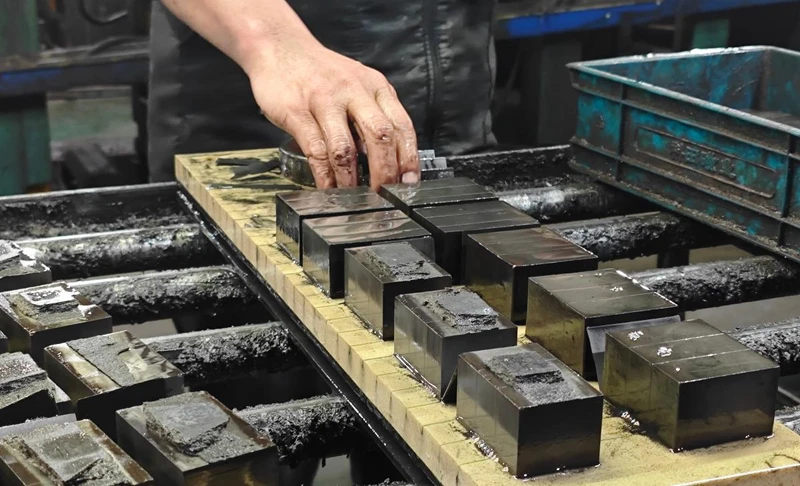
1. The Purpose of Magnet Processing
Why not just sinter a magnet into its final shape? Sintering involves high heat that causes the material to shrink and warp slightly. Machining is essential to:
- Achieve Dimensional Accuracy: Bringing the magnet to the exact tolerances required for tight assemblies.
- Improve Surface Quality: Removing the “sintered skin” to ensure the magnet is smooth and flat.
- Prepare for Coating: Creating a surface that allows protective layers (like Nickel or Epoxy) to adhere properly.
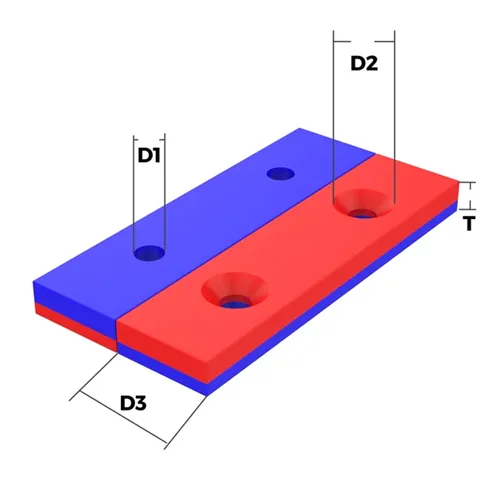
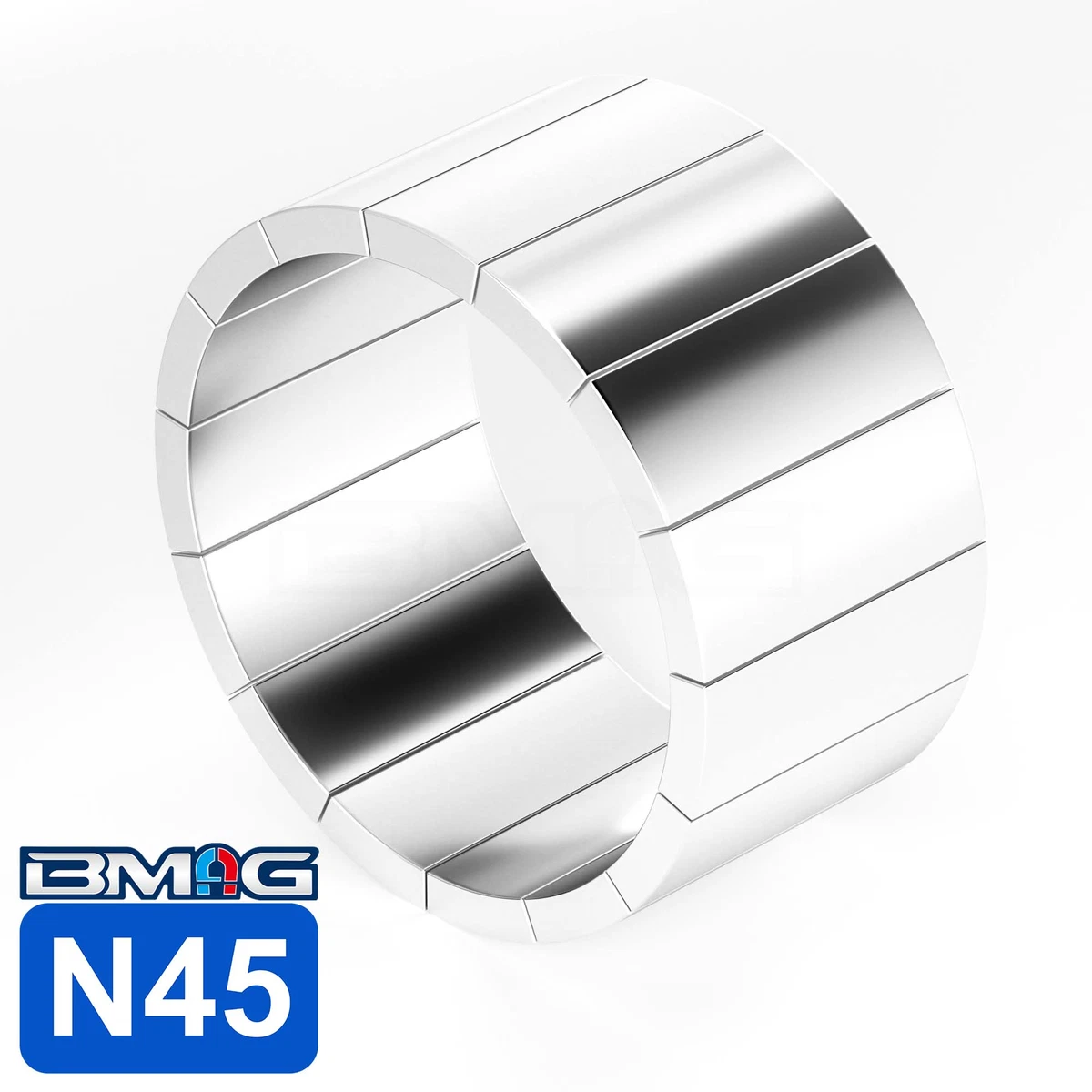
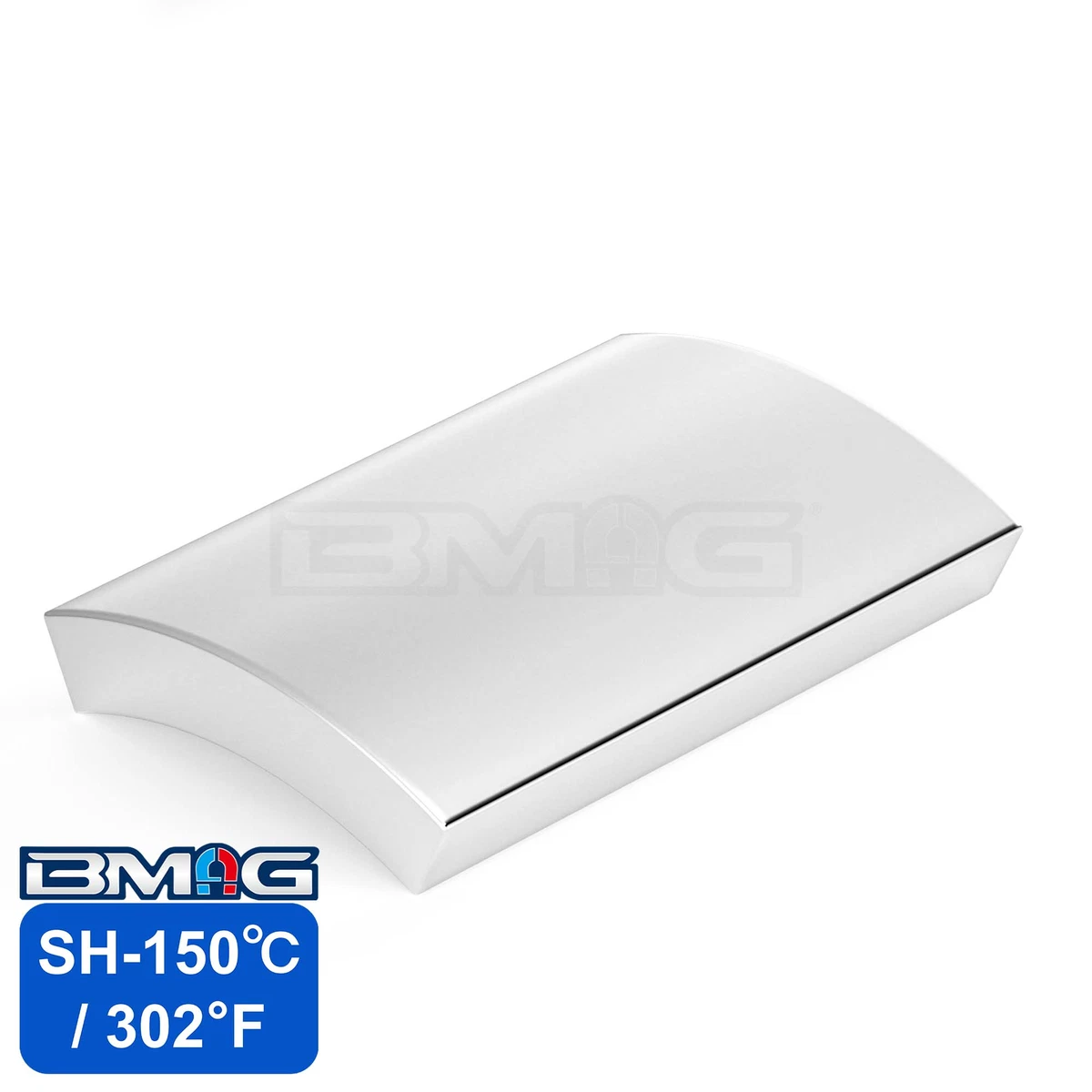
- Create Complex Features: Adding holes, chamfers, or specific arcs that pressing cannot achieve, like a countersunk magnet.
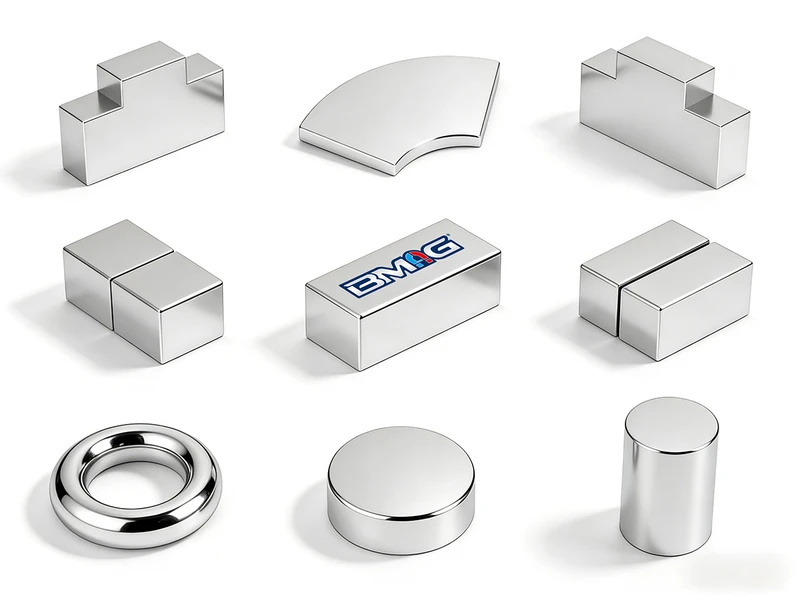
2. The Magnet Machining Process
The journey from a “blank” to a finished product involves several critical stages.
Step 1: Pre-Cutting Grinding
Even though a newly sintered blank might look “neat,” its surface is microscopically rough and chemically inconsistent. Before any slicing occurs, the blank undergoes surface grinding. This ensures the piece is perfectly flat, providing a stable reference point for the cutting tools.
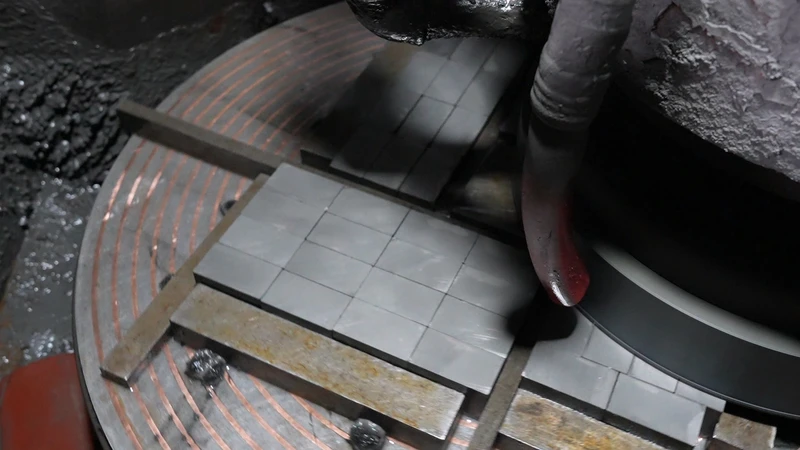
Step 2: Slicing and Cutting
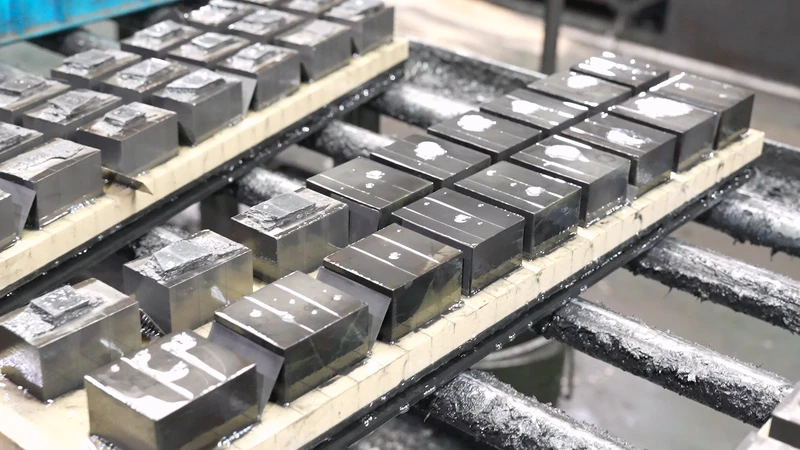
Large magnet blanks are sliced into multiple smaller units. Common methods include:
- Wire Cutting (EDM): Using electrical discharges to “erode” the material along a specific path.
- Slicing: Using diamond-coated blades or multi-wire saws.
The “Allowance” Rule: > Manufacturers must account for “kerf”—the material lost to the thickness of the cutting blade.
- Example: To produce a block magnet of L40 x W10 x H5 mm, you might start with a blank sized L42 x W22 x H55 mm.
- From this single blank, you can yield 20 final products (10 pieces along the height and 2 across the width). The “extra” millimeters are the “allowance” consumed by the grinding and cutting tools.
Step 3: Drilling and Special Shaping
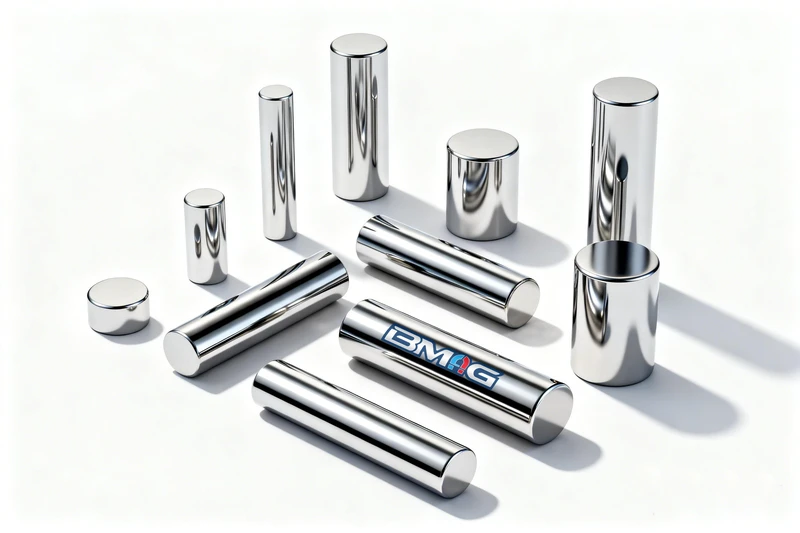
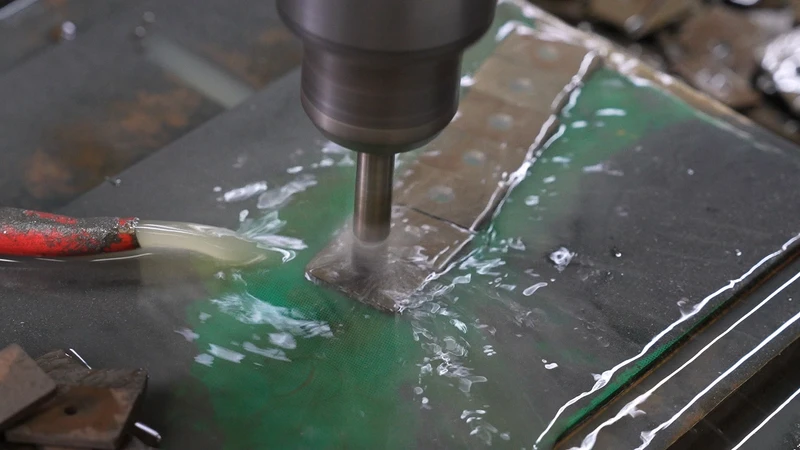
For ring magnets or those requiring screws, precision drilling is performed using specialized diamond-core drill machining. Because NdFeB is exceptionally brittle, technicians must strictly calibrate drilling speeds and feed rates to minimize mechanical stress and prevent fracturing. Throughout the process, the continuous application of cutting fluid is vital to reduce friction and dissipate heat, effectively preventing micro-cracks or thermal damage to the magnet’s structure. This stage is also where complex features, such as countersunk holes for flush mounting, are precision-machined.
Step 4: Chamfering and Final Grinding
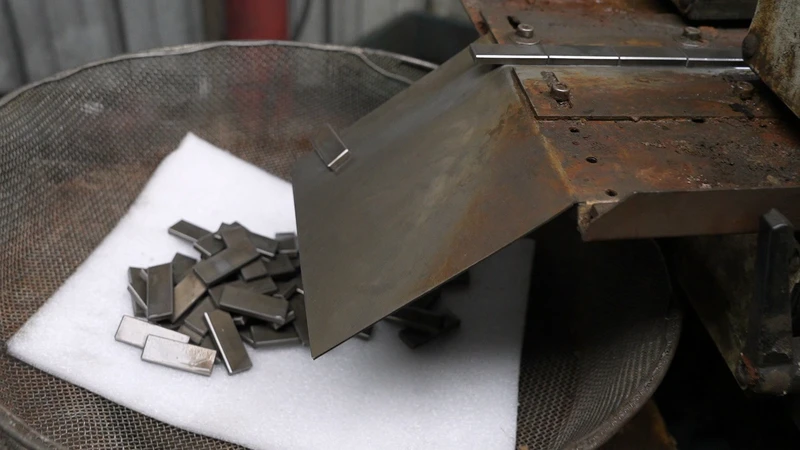
After cutting, the magnets often have sharp, fragile edges. Chamfering (rounding or beveling the edges) is performed to prevent chipping during handling. A final grinding pass is then conducted to ensure the surface is pristine for the subsequent coating application.
3. The Magnetic State During Processing
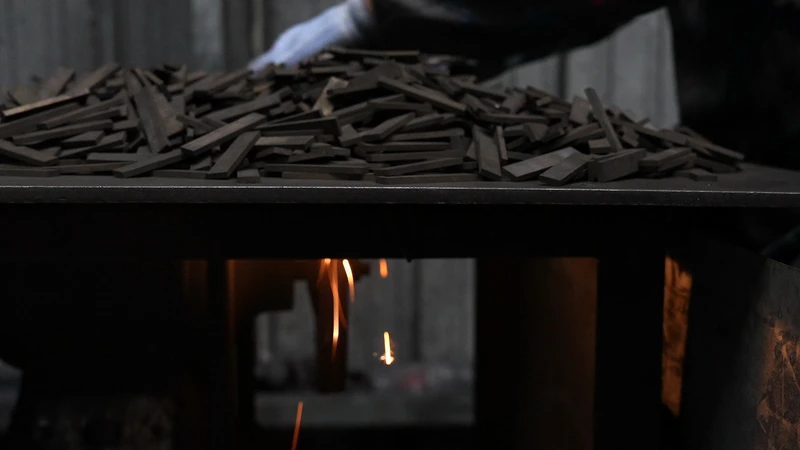
It is a common misconception that magnets are “magnetic” during this whole process. In reality, newly sintered NdFeB blanks are not yet magnetized. They possess only extremely weak residual magnetism. This is intentional; if the magnets were fully charged during machining, the fine metal dust (sludge) would stick to the tools and the workpiece, making precision impossible and creating a significant safety hazard.
4. Cuidados críticos Precautions
Machining NdFeB is significantly more difficult than machining steel or aluminum due to the material’s unique properties.
- Cooling is Mandatory: NdFeB is highly flammable in powder form. Intense friction during grinding can cause the dust to ignite. Continuous liquid cooling is required to manage heat and wash away debris.
- Brittleness: These magnets are more like ceramics than metals. They chip easily under mechanical stress, requiring specialized jigs and slow feed rates.
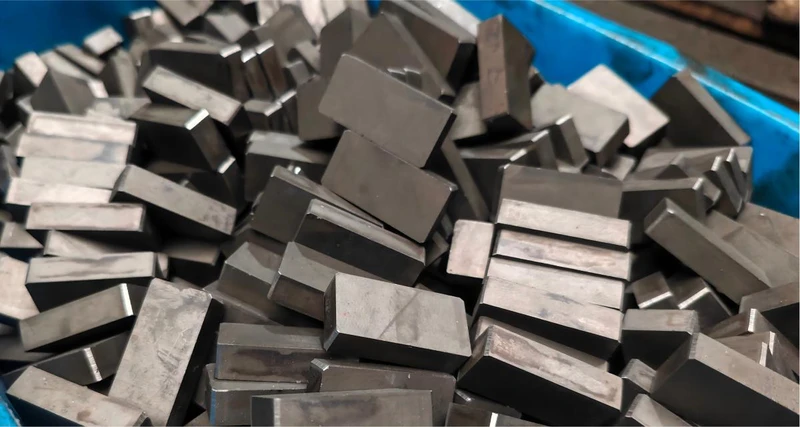
- Corrosion Management: Because NdFeB contains high amounts of iron, the freshly machined surfaces are prone to rapid oxidation. Magnets must be cleaned and dried immediately after processing before moving to the coating stage.
Summary Table: Magnet Processing at a Glance
| Stage | Action | Primary Goal |
| Pre-Grinding | Surface leveling | Create a flat reference for cutting |
| Cutting | Slicing/Wire cutting | Divide large blanks into smaller units |
| Drilling | Diamond | Create holes for rings/countersinks |
| Chamfering | Edge rounding | Prevent chipping and aid coating |
| Final Grinding | Precision finishing | Ensure surface adhesion for plating |
How to Produce High-Precision Magnets
The production of high-precision magnets depends on precision machining instruments, which effectively ensure higher dimensional accuracy during magnet processing.
At BMAG Magnet, our advanced machining equipment enables us to achieve extremely tight dimensional tolerances for magnet products:
- Dimensions over 10mm: ±0.1mm
- Dimensions 10mm and under: ±0.02mm
With such outstanding precision control, BMAG Magnet is your first-choice manufacturer for high-precision magnets.