








The global demand for high-performance permanent magnets—specifically Sintered Neodymium-Iron-Boron (NdFeB)—has reached an all-time high in 2026. From the traction motors of Electric Vehicles (EVs) to high-precision industrial sensors and green energy wind turbines, the “heart” of modern technology is magnetic.
However, for international procurement managers and engineers, sourcing is a perennial challenge: The Trader Trap. In the digital age, many “factories” found on B2B platforms are actually small-scale trading companies. While traders have their place, they often lack the technical depth, quality consistency, and pricing stability required for large-scale industrial projects. Source factories offer quicker communication, more professional technical support, and lower prices. Partnering directly with a source magnet factory is the optimal choice.
Here are the five critical dimensions to inspecting magnet factories in 2026.
1. Production Infrastructure: The “Hardware” of a Real Source
A real manufacturer doesn’t just “own” a building; they own the complex, energy-intensive machinery required to transform rare earth oxides into high-grade magnets. When requesting a virtual tour or visiting in person, look for these specific stages of production:
The Melting and Strip Casting Phase
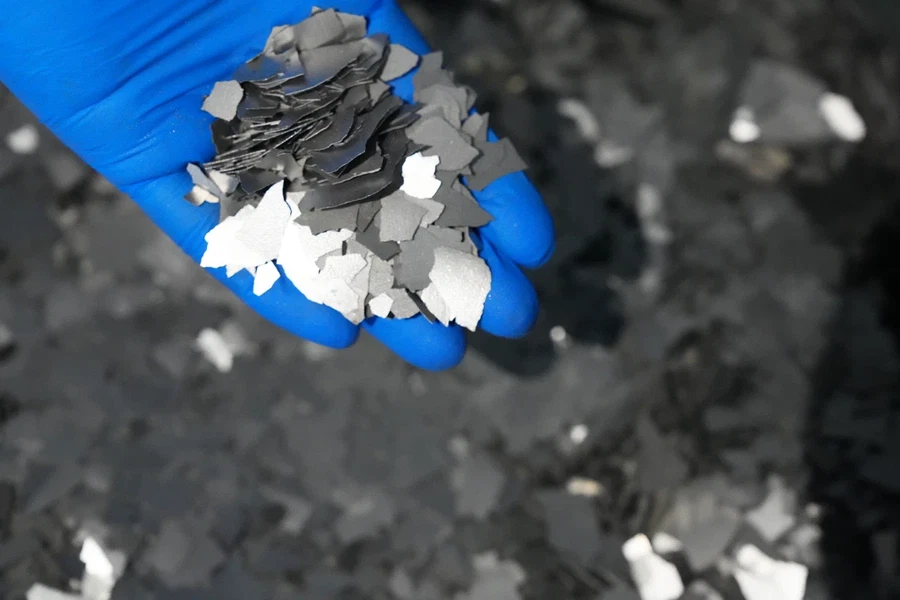
This is where the raw materials (Neodymium, Iron, Boron, and dopants like Dysprosium) are melted in a Vacuum Induction Melting (VIM) furnace. A legitimate factory will show you their strip casting machines, which produce thin flakes of alloy.
Hydrogen Decrepitation & Jet Milling
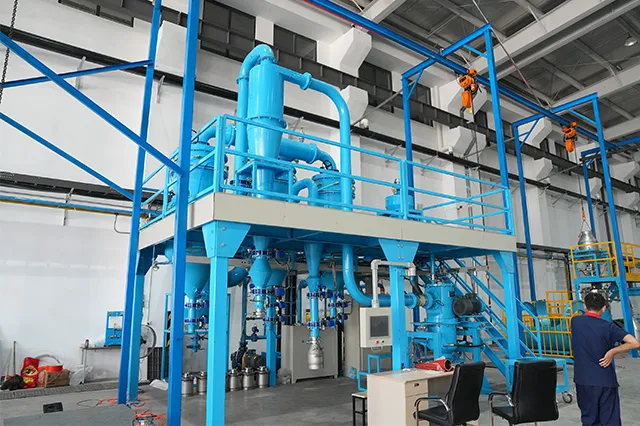
To achieve high coercivity, the alloy must be broken down into a fine powder (usually 3–5 microns). Look for Jet Milling equipment. This process must be done under a strictly controlled nitrogen atmosphere to prevent oxidation.
Sintering and Annealing
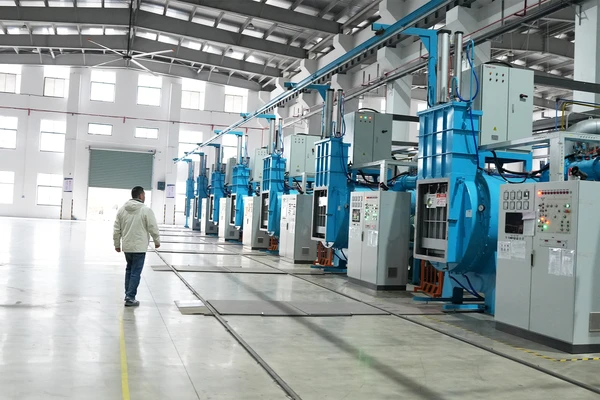
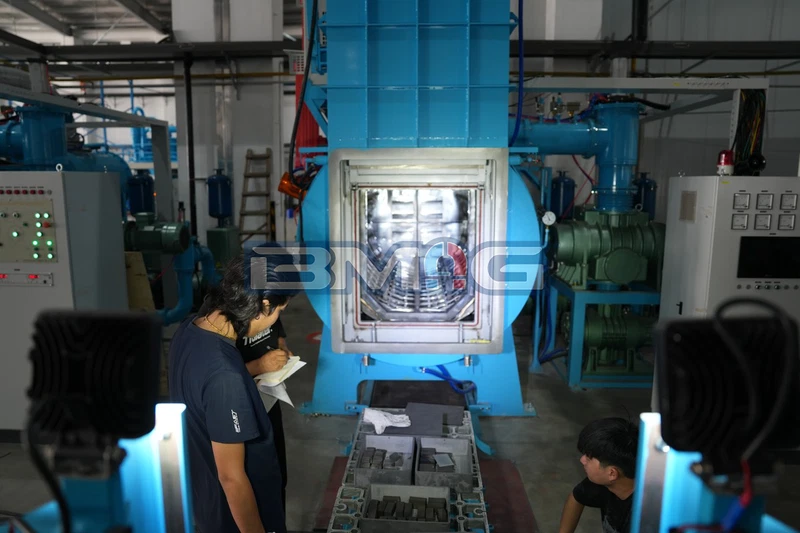
The “magic” happens in the vacuum sintering furnaces. A professional factory will have rows of these furnaces, operating at temperatures around 1100℃. This stage determines the final magnetic properties (Br, Hcj). Ask about their dual-main-phase technology or grain boundary diffusion (GBD) capabilities—these are the hallmarks of a top-tier 2026 manufacturer.
Read the article to understanding the production process of NdFeB magnets.
2. Technical E-E-A-T: Testing and Quality Control (QC)
In the magnet industry, quality is invisible. Two magnets may look identical, but one might lose 20% of its magnetic field at 80℃ due to poor material consistency. A real factory provides data, not just promises.
Essential Lab Equipment
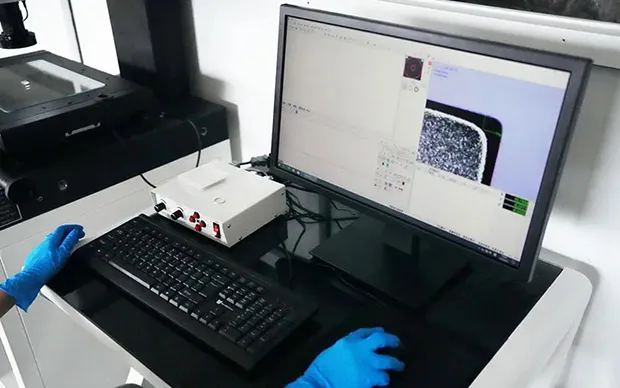
A factory worth your investment should have an in-house laboratory equipped with:
- Hysteresisgraph (B-H Curve Tracer): This is the “EKG” of a magnet. It measures the remanence (Br), coercivity (Hcb/Hcj), and maximum energy product (BH)max.
- Salt Spray Testing Chamber: Vital for verifying the integrity of coatings (Ni-Cu-Ni, Zinc, or Epoxy). In 2026, standards for corrosion resistance are stricter than ever.
- HAST (Highly Accelerated Stress Test): Specifically for magnets used in automotive or aerospace industries to simulate years of use in humid, high-temperature environments.
The Documentation Audit
Don’t just look at a “Sample Report.” Ask for a Statistical Process Control (SPC) report from a random batch. Real factories track the Gaussian distribution of their magnetic properties to ensure every magnet in a 10,000-unit order performs exactly like the first.
3. Engineering Expertise & Customization
Traders usually sell “off-the-shelf” sizes. Factories provide Magnetic Solutions.
When you submit a drawing, observe the response. A legitimate factory engineer will not just say “Yes, we can make this.” They will analyze your requirements:
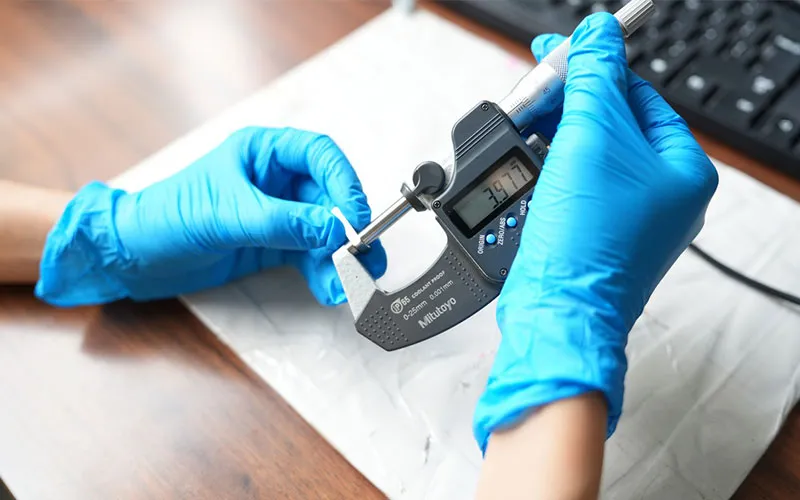
- Tolerance Analysis: Can they consistently hit ± 0.03mm for sensor applications?
- Magnetic Circuit Design: Do they offer simulation services using Finite Element Analysis (FEA)? If you are designing a motor, a factory engineer can suggest whether a 42SH grade is more cost-effective than a 35UH based on your operating temperature.
- Custom Tooling: Factories have their own CNC and EDM (Electrical Discharge Machining) departments to create custom molds for segment or radial-oriented magnets.
| Featura | Source Factory | Trading Company |
| Technical Support | Direct access to material scientists | “Let me ask the supplier” |
| Tolerance Control | High (controlled in-house) | Moderate (dependent on third party) |
| Custom Grades | Can adjust alloy chemistry | Limited to standard market grades |
| Response Time | Instant technical feedback | 24-48 hour delay |
4. Supply Chain Transparency & Rare Earth Sourcing
The “Trader Trap” often snaps shut when raw material prices fluctuate. Magnet pricing is heavily tied to the cost of PrNd (Praseodymium-Neodymium) metal.
Pricing Logic
A trader will often give you a “fixed price” that seems too good to be true, only to cancel the order or demand a surcharge when market prices spike. A real factory uses a transparent Formula-Based Pricing model. They should be able to discuss the current trends in the China Rare Earth Price Index and how it affects your LCL or FCL shipments.
Sustainability and Compliance
In 2026, the “Green Supply Chain” is a legal requirement in many jurisdictions (such as the EU’s updated RoHS and REACH directives). A source factory will have:
- ISO 9001 & IATF 16949: The latter is a must-have for automotive-grade magnets.
- Conflict-Free Mineral Sourcing: Documentation proving the rare earth materials were sourced ethically.
5. Logistics, Packaging, and Post-Sale Responsibility
The final dimension is how the product leaves the facility. Magnets are “Dangerous Goods” for air freight.
Specialized Packaging
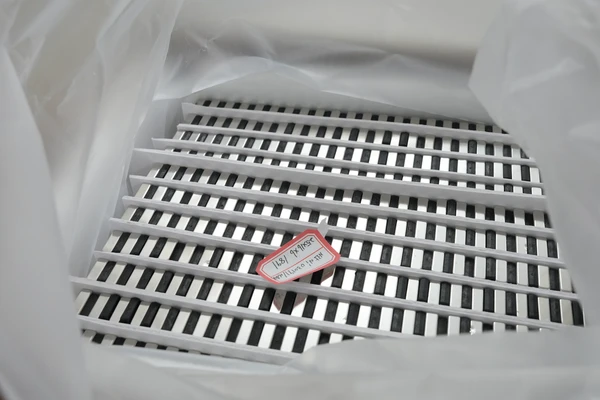
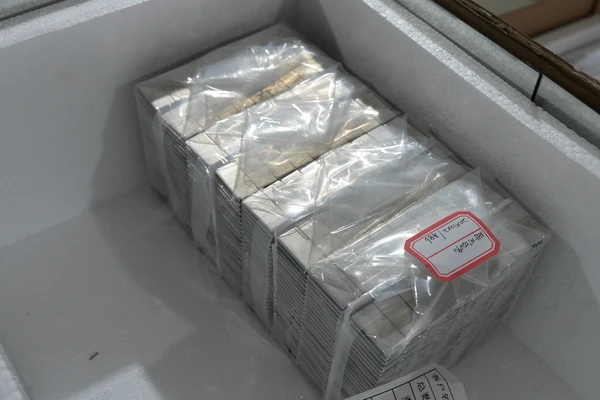
A professional factory understands Magnetic Shielding. If you are shipping via air, the magnetic field must be contained using iron sheets and specialized foam so it doesn’t interfere with the aircraft’s navigation systems. Traders often skip these costs, leading to customs seizures or shipping delays.
The “Responsibility” Test
Ask a simple question: “What happens if 5% of the magnets fail the gauss test upon arrival?”
- Trader: “We will talk to the factory and see what happened.” (This usually leads to months of finger-pointing).
- Factory: “We keep counter-samples of every batch. We will test our retained samples immediately and, if verified, initiate a replacement under our ISO quality warranty.”
Conclusion: Making the Right Choice for 2026
Choosing a magnet supplier is no longer just about finding the lowest price per kilogram. It is about finding a technical partner who can guarantee the performance of your product.
By focusing on the Production Infrastructure, Testing Capabilities, Engineering Support, Supply Chain Logic, e Logistics Integrity, you can effectively bypass the “Trader Trap.” As a magnet factory, BMAG Magnet meets all the above criteria and serves as your ideal partner. We are committed not just to selling you magnets, but to gaining a deep understanding of your entire application scenario—including magnetic circuit design and specific requirements. Contact BMAG Magnet.
FAQ for 2026 Magnet Sourcing
Q: Why is the N52 grade so much more expensive than N35?
A: N52 requires a much higher density of magnetic energy and precision during the sintering process. It also typically requires higher-quality raw materials and has a lower yield rate during production.
Q: Can I visit these factories virtually?
A: Yes. Most reputable factories in 2026 offer high-definition “Cloud Inspections” via Zoom or WeChat, allowing you to see live production lines and testing procedures in real-time.
Q: What is the standard lead time for custom magnets?
A: Generally, 15–20 days for production plus 7–10 days for complex coatings. If a supplier promises “3-day shipping” for custom-sized N45SH magnets, they are likely selling you surplus stock that may not meet your exact specs.