








1. What are Neodymium Ring Magnets?
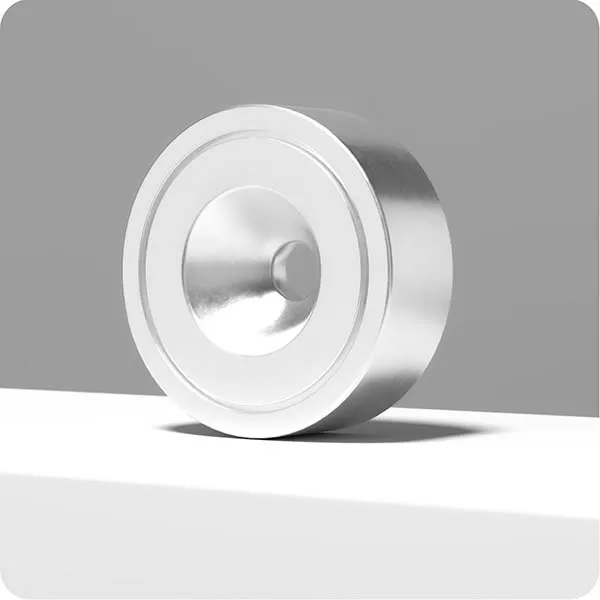
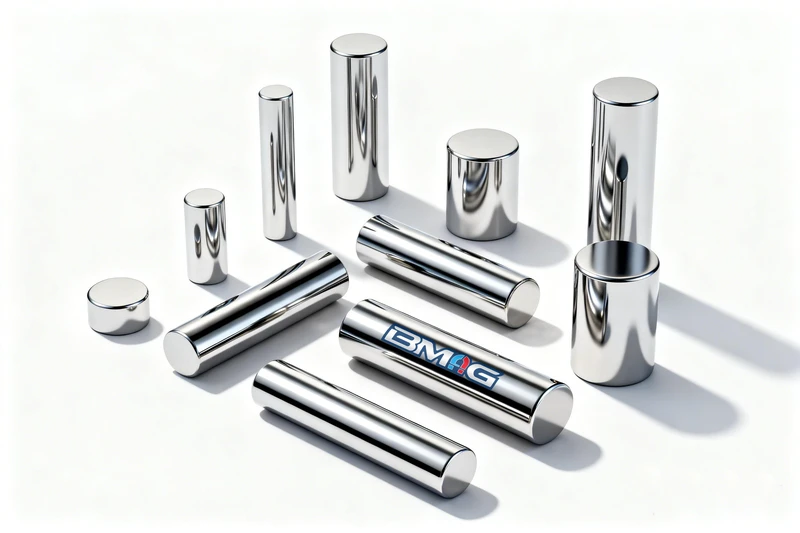
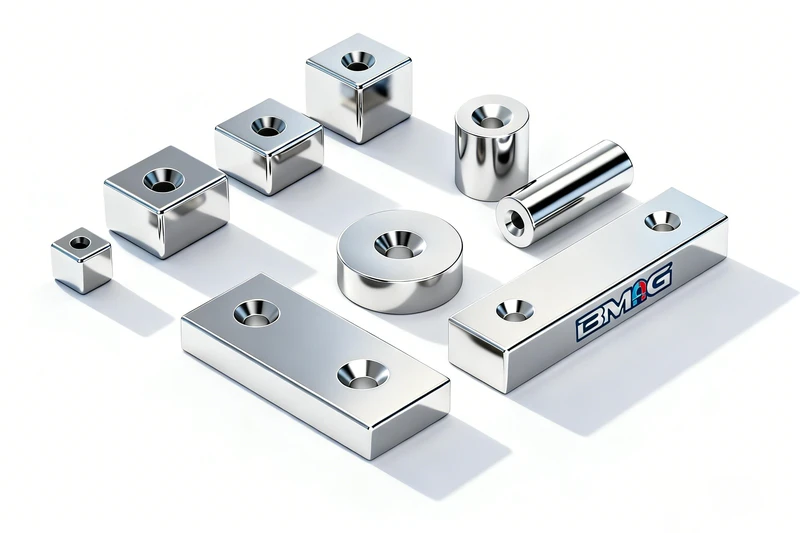
Neodymium ring magnets are strong permanent magnets made from neodymium, iron, and boron (NdFeB), shaped with a central hole for easy mounting on shafts or cylindrical parts.
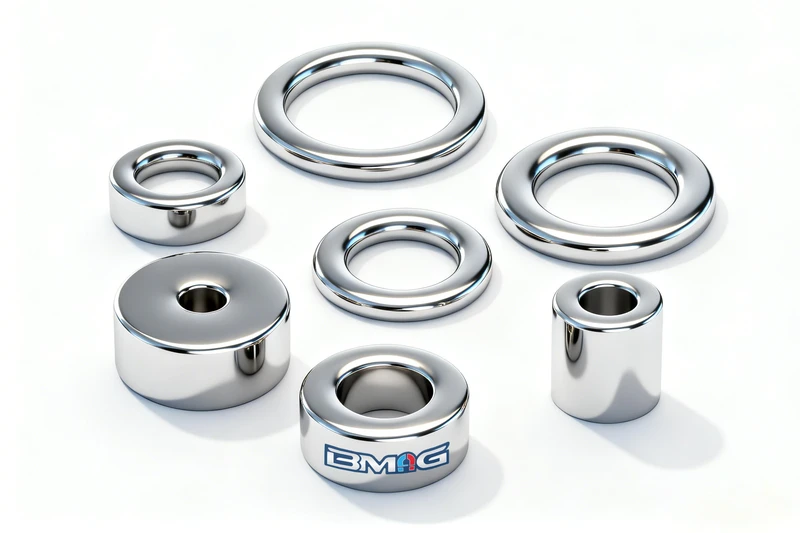
They offer very high magnetic strength in a compact size and are widely used in motors, sensors, speakers, and industrial equipment. Different grades, sizes, and coatings are available to meet various performance and environmental needs.
This article explains their key features, sizes, grades, and coating options to help you choose the right magnet for different applications.
2. Why Size, Grade, and Coating Matter?
Size, grade, and coating are key factors that determine how well a neodymium magnet performs in real applications.
- Tamanho affects the magnetic force and how the magnet fits into a device. Larger dimensions usually provide stronger pull force.
- Nota defines the magnet’s strength and performance level (e.g., N35, N52), which impacts efficiency and output.
- Revestimento protects the magnet from corrosion, moisture, and wear, extending its service life and ensuring stable performance.
Together, these three factors help ensure the magnet meets specific technical, environmental, and durability requirements.
3. Neodymium Ring Magnet Sizes Explained
3.1 Outer Diameter (OD)
The outer diameter (OD) determines the size and magnetic surface area of a neodymium ring magnet, affecting its pull force and fit. Proper OD selection ensures strong performance, stable alignment, and reliable use in motors, sensors, and industrial applications.
Standard OD Sizes
- small diameters (such as 3–10 mm) for precision instruments
- medium sizes (10–50 mm) for motors and sensors
- larger sizes (above 50 mm) for industrial equipment
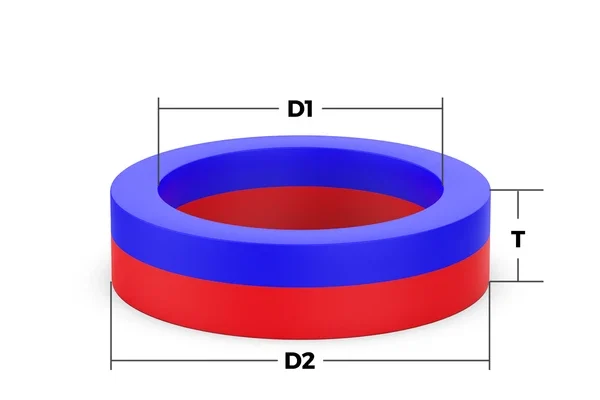
3.2 Inner Diameter (ID)
The inner diameter (ID) determines how a neodymium ring magnet fits onto shafts or cylindrical parts. Proper ID selection ensures secure mounting, accurate alignment, and reliable performance in motors, sensors, and mechanical systems.
Standard ID sizes
- small diameters (such as 2–5 mm) for precision instruments
- medium sizes (6–20 mm) for motors and sensors
- larger sizes (above 20 mm) for industrial equipment.
3.3 Thickness
The thickness of a neodymium ring magnet is a key factor that influences its magnetic strength and durability. A greater thickness generally increases pull force and improves magnetic stability, making it suitable for demanding applications.
Standard Thickness
- 1–3 mm for thin precision applications
- 3–10 mm for general motor and sensor use
- 10 mm or above for high-strength industrial applications
While standard sizes are suitable for general applications, they may not always meet specific engineering requirements. In such cases, custom sizing is of particular importance.
3.4 Custom sizing options
Customization allows precise adjustment of outer diameter (OD), inner diameter (ID), and thickness to achieve optimal fit, performance, and efficiency. This ensures better compatibility with motors, sensors, and industrial systems that require specialized magnetic solutions.
| Featura | Standard Manufacturing | Custom Manufacturing |
| Size Options | Fixed, predefined dimensions | Fully adjustable (OD, ID, thickness) |
| Custo | Lower cost | Higher cost |
| Prazo de entrega | Fast availability | Longer production time |
| Flexibility | Limited | High flexibility |
| Performance Optimization | General use | Optimized for specific applications |
| Application | Common motors, sensors, general use | Specialized equipment, precision systems |
BMAG Magnet is a professional manufacturer of neodymium ring magnets, offering both standard magnetic products and custom-made solutions to meet a wide range of industrial needs.
👉 Contact us today for a free quote and technical consultation.
4. Neodymium Magnet Grades Guide
4.1 What Does Magnet Grade Mean?
Magnet grade indicates the strength and performance level of a neodymium ring magnet. It is defined by the maximum energy product (BHmax), which reflects how powerful the magnet is.
In general, a higher number means a stronger magnet, but selection should also consider temperature resistance and application requirements.
Learn from picture generated by AI NotebookLM about Selecting Neodymium Magnet Grades.
4.2 Common grades and performance
N35 – Standard magnetic strength, cost-effective for general industrial applications
N38 – Medium strength with better performance, suitable for motors and sensors
N40 – Medium-high strength, cost-effective for general industrial applications
N42 – Balanced performance and price, widely used in motors and sensors
N45 – Higher magnetic strength for more demanding applications
N50 – Very strong performance, suitable for compact high-efficiency designs
N52 – Maximum standard strength, used in high-performance and precision systems where maximum magnetic force is required
4.3 Temperature Resistance Grades
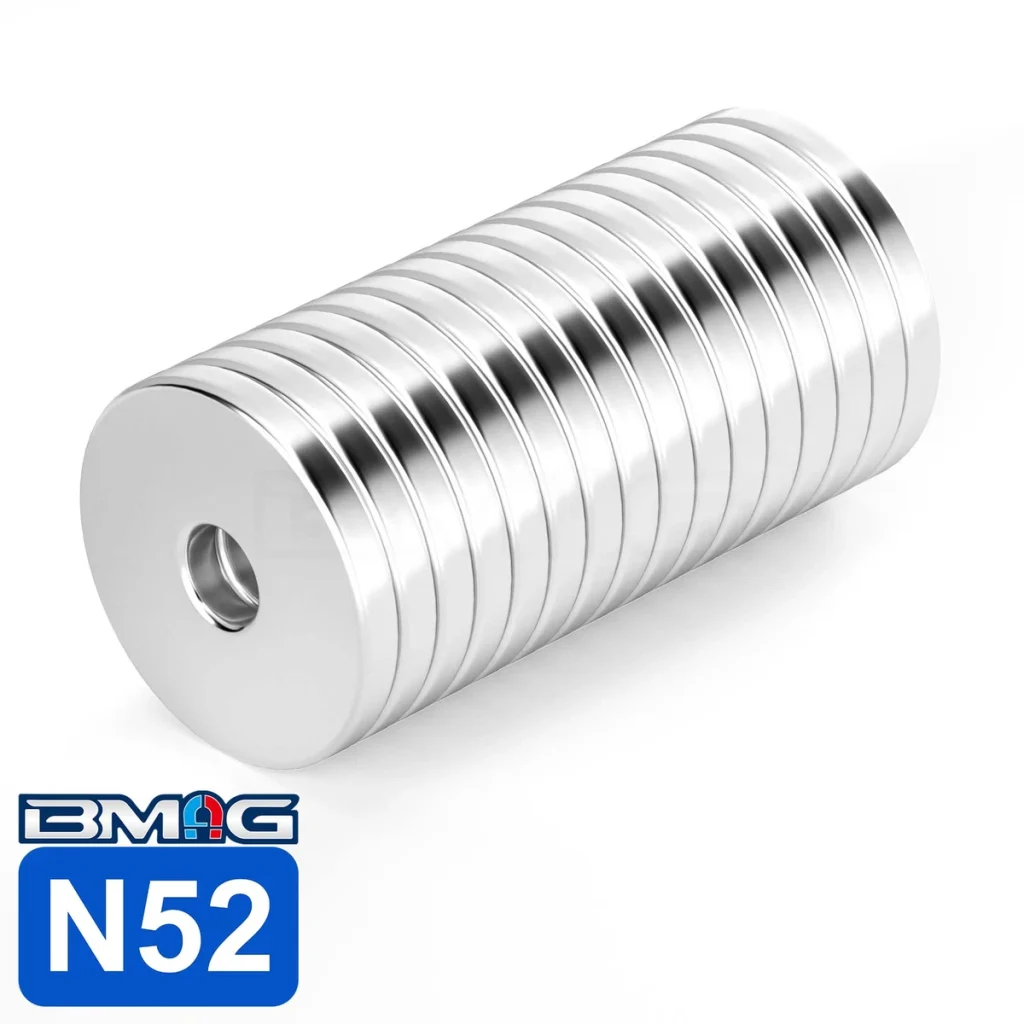
Neodymium magnets are classified by maximum operating temperature to ensure stable performance:
- N (Standard, up to 80°C / 176℉ ) – General use in consumer electronics, small motors, and sensors
- M (up to 100°C / 212℉ ) – Automotive parts, industrial sensors, and moderate-heat environments
- H (up to 120°C / 248℉) – Motors, generators, and power tools
- SH (up to 150°C / 302℉) – High-performance industrial and automotive systems
- UH (up to 180°C / 356℉) – Heavy-duty industrial equipment and high-heat applications
- EH (up to 200°C / 392℉) – Extreme environments such as specialized aerospace or high-temperature machinery
Selecting the correct grade ensures stable magnetic performance and prevents demagnetization under operating conditions.
4.4 How to Choose the Right Grade
Select magnet grade based on required strength and working temperature
- N35–N42 → general applications, cost-effective
- N45–N52 → higher strength or limited space designs
Choose temperature grade according to actual operating temperature
- ≤ 80°C → N grade; 80–120°C → M/H; 120–150°C → SH; >150°C → UH/EH
- Always allow a 20–30°C safety margin to ensure stability
For industrial or heavy-duty use, combine high grade + high temperature resistance, incorrect selection may cause performance loss or permanent demagnetization
5. Coating and Surface Treatment Options
5.1 Why coating is necessary
Coating is essential for neodymium magnets because they are highly susceptible to corrosion and oxidation. A proper coating provides a protective barrier against moisture, chemicals, and wear, improving durability and preventing surface damage, while ensuring stable and long-term performance in various environments.
5.2 Common coatings
Nickel (Ni-Cu-Ni) – most common, good corrosion resistance and smooth finish
Níquel preto – similar to nickel with improved appearance and added protection
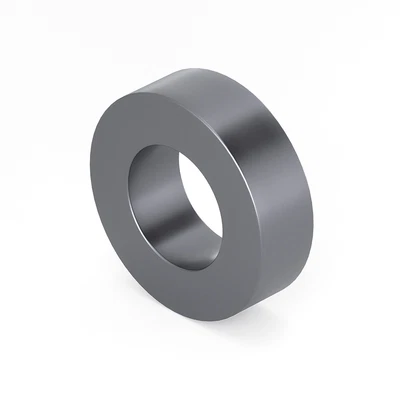
Epóxi – excellent corrosion resistance, ideal for humid or harsh environments
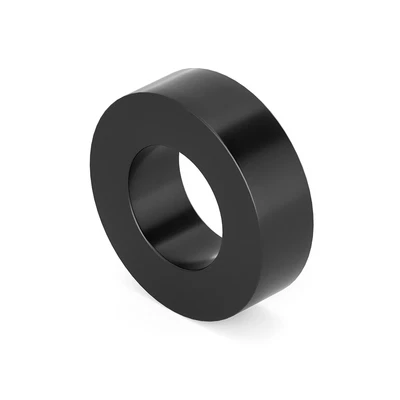
Zinco – cost-effective option with basic corrosion protection
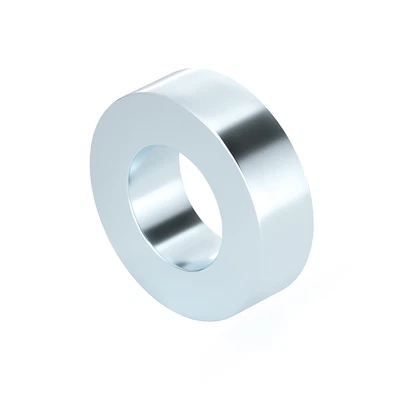
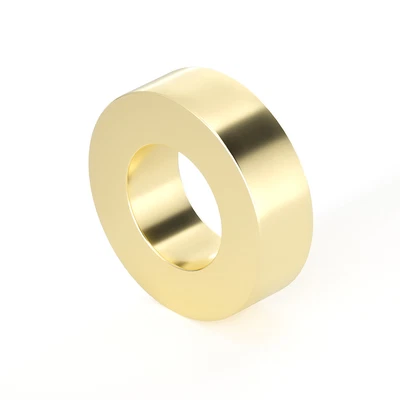
Ouro – decorative finish with good corrosion resistance for specialized uses
Plástico – provides insulation and additional physical protection
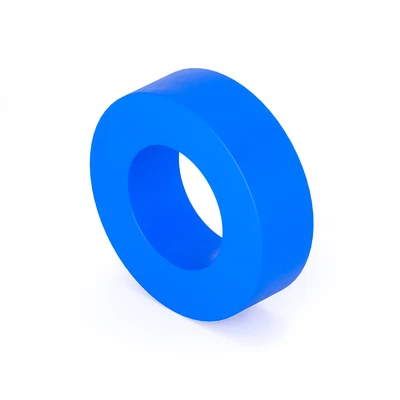
PTFE (Teflon) – low friction, chemical-resistant coating for special applications
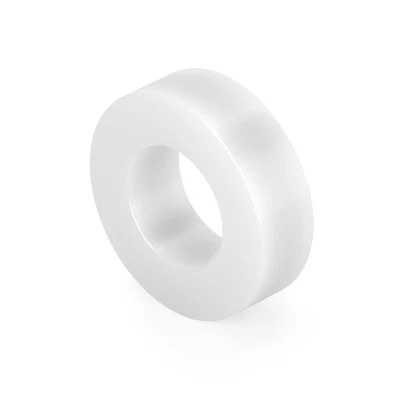
Borracha – enhances grip, impact resistance, and protects surfaces from damage
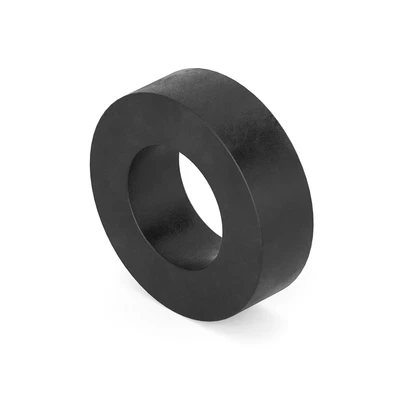
5.3 Environmental considerations
Indoor vs outdoor use
For indoor applications, standard coatings like nickel are usually sufficient, as the environment is relatively stable and low in moisture.
For outdoor use, magnets are exposed to humidity, rain, and temperature changes, so coatings like epoxy, rubber, or PTFE are recommended to provide better corrosion resistance and durability.
Moisture and chemical resistance
Moisture and chemicals can cause neodymium magnets to corrode and lose performance over time. Protective coatings such as epoxy, PTFE, or plastic create a barrier that prevents water, humidity, and chemical exposure from damaging the magnet surface. This ensures long-term stability, durability, and reliable performance in harsh environments.
6. How Size, Grade, and Coating Work Together
| Factor | Function | Impact on Performance | Key Consideration |
| Tamanho | Determines magnetic field area and fit | Affects pull force and mechanical compatibility | Must match assembly space and force requirements |
| Nota | Defines intrinsic magnetic strength | Controls overall magnetic power output | Higher grade = stronger but may cost more |
| Revestimento | Provides surface protection | Improves durability and corrosion resistance | Must match working environment |
7. Applications of Neodymium Ring Magnets
7.1 Tool Fixing and Magnetic Closures
Ring magnets are also widely used for tool holding and positioning systems, providing strong and stable magnetic fixation in jigs, fixtures, and assembly tools. In addition, they are commonly applied in bags, boxes, and closure mechanisms, offering a reliable magnetic snap for easy opening and secure closing in everyday products and packaging designs.
7.2 Sensors and automation equipment
Neodymium ring magnets are commonly used in sensors and automation systems for precise position detection and motion control. Their strong and stable magnetic field ensures high accuracy, fast response, and reliable performance.
7.3 Speakers and audio devices
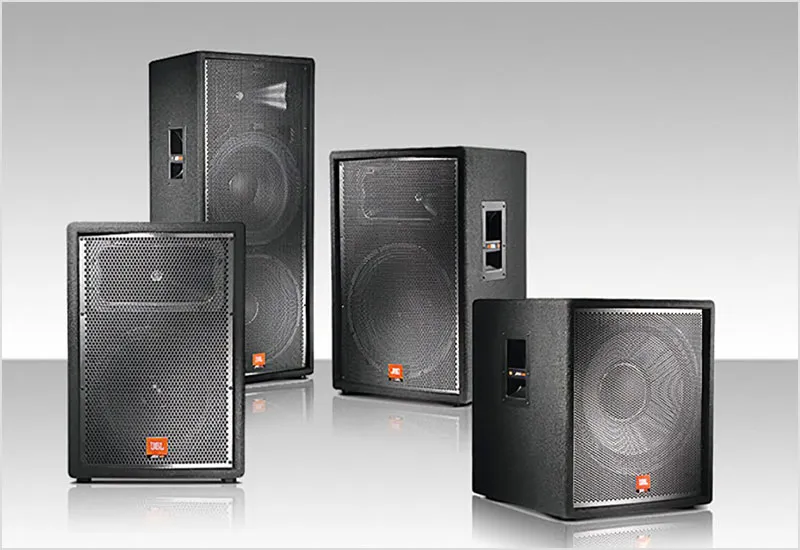
In audio systems, neodymium ring magnets play a key role in delivering powerful and clear sound. Their strong magnetic force and compact size allow efficient cone movement, enhancing sound quality, sensitivity, and enabling smaller, lightweight speaker designs.
7.4 Industrial machinery
Within industrial machinery systems, neodymium ring magnets are used for clamping, separation, and automation control functions. Their strong and stable magnetic properties help improve efficiency, enhance precision, and ensure reliable operation in heavy-duty working environments.
7.5 Medical devices

In medical applications, neodymium ring magnets are used in imaging and diagnostic equipment. Their strong, compact design ensures precise performance and reliable operation in sensitive medical systems.
7.6 Automotive systems
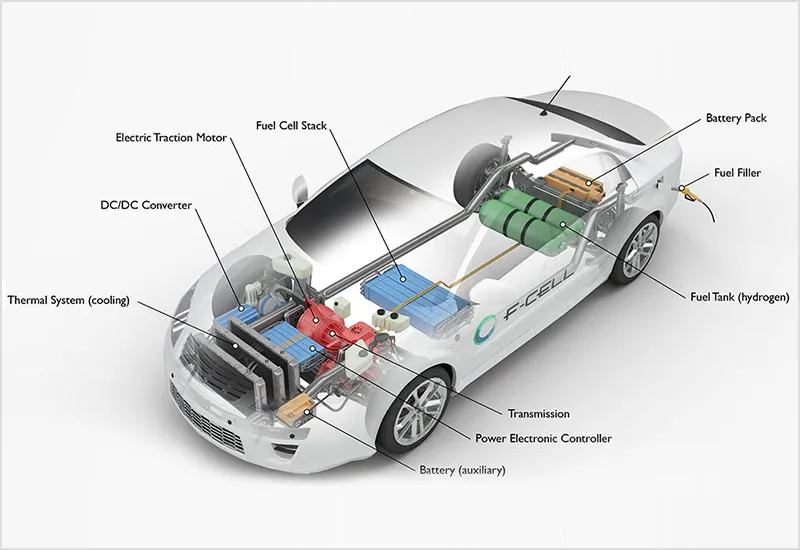
In automotive applications, neodymium ring magnets are used in actuators, sensors, and control systems. Their strong magnetic force and compact size help improve efficiency, precision, and overall system reliability.
8.How to Choose the Right Ring Magnet
| Selection Factor | What to Consider | Recommendation |
| Application | Intended use (motor, sensor, industrial, etc.) | Match magnet type to system requirements |
| Size (OD/ID/Thickness) | Fit and required magnetic force | Ensure proper mechanical compatibility |
| Grade (N35–N52) | Required magnetic strength | Higher grade = stronger force |
| Temperatura | Working environment heat level | Use M/H/SH grades for higher temperatures |
| Revestimento | Environment conditions (moisture, chemicals) | Nickel for general use, epoxy/PTFE for harsh conditions |
| Personalização | Special design needs | Use custom sizes if standard options are unsuitable |
9. Conclusion
Neodymium ring magnets offer a powerful and versatile solution for a wide range of applications, but their performance depends on selecting the right size, grade, temperature resistance, and coating. Understanding these key factors helps ensure optimal magnetic strength, durability, and reliability in real-world use.

If you need standard or custom neodymium ring magnets, contact BMAG for professional support and a tailored solution for your application.