








Modern elevator systems are expected to run quietly, start smoothly, stop accurately, and operate for years with minimal maintenance. These requirements are pushing more elevator manufacturers toward permanent magnet synchronous motor (PMSM) traction machines. At the center of this technology are high-performance arc neodymium magnets.
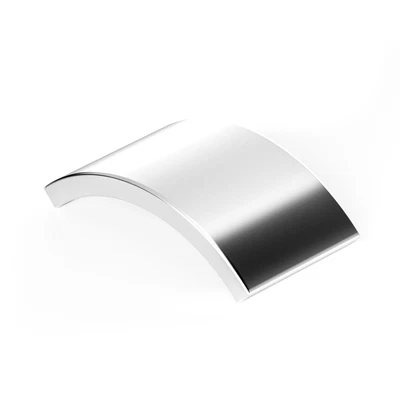
Arc/curved magnets for elevator PMSM applications are not ordinary industrial magnets. They are custom NdFeB rotor magnets designed to match the circular magnetic circuit of the traction motor. Their magnetic performance, thermal stability, geometry, coating, and magnetization direction can directly influence motor efficiency, torque stability, noise, vibration, and long-term reliability.
Main Elevator Drive Systems and Why PMSM Is Growing
Traditional Induction Motor Elevator Systems
Older elevator systems often use induction motors or geared traction systems. These designs rely on electromagnetic induction to generate torque and may require larger structures, more mechanical transmission components, higher energy consumption, and more maintenance. Gearboxes can also contribute to noise, vibration, and efficiency loss over long service periods.
Permanent Magnet Synchronous Elevator Systems
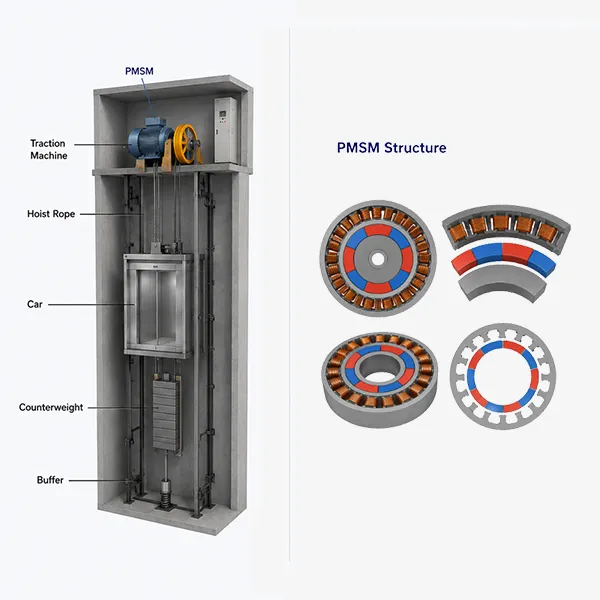
Newer elevator traction systems increasingly use PMSM technology. In a PMSM traction motor, the rotor contains permanent magnets, while the stator generates a rotating magnetic field. Because the rotor already provides a strong magnetic field, the system can achieve higher torque density, higher efficiency, compact structure, and smoother low-speed operation.
What Is an Elevator Traction Machine?
An elevator traction machine is the core drive unit that rotates the traction sheave and moves the elevator car through ropes or belts. In a gearless PMSM traction machine, the rotor, stator, shaft, traction sheave, brake system, and permanent magnets work together to generate controlled torque. Elevator traction machine rotor magnets are usually installed around the rotor circumference, where they interact with the stator magnetic field.
Where Arc Neodymium Magnets Are Installed and How They Work
Arc neodymium magnets are installed on or inside the PMSM rotor. Their curved shape fits the round rotor structure better than ordinary block magnets, helping create a more efficient magnetic circuit. When the stator is energized, its rotating magnetic field interacts with the NdFeB magnets on the rotor. This interaction produces torque, allowing the elevator to start, accelerate, run, decelerate, and stop smoothly.
For elevator applications, magnetic field consistency matters. Uneven magnetic strength, poor magnetization angle control, or dimensional deviation may contribute to torque ripple, rotor imbalance, vibration, or low-speed instability. That is why arc magnet quality is not just a component issue; it is part of the whole elevator comfort and reliability system.
Benefits of High-Performance NdFeB Magnets in Elevator Traction Machines
Higher Torque Density
NdFeB magnets offer high magnetic energy density, allowing the traction motor to generate strong torque in a compact structure. This supports smaller and lighter gearless traction machines.
Lower Noise and Vibration
Stable magnetic performance and precise rotor magnet assembly help reduce torque fluctuation. This can support quieter operation and smoother ride comfort, especially during starting, stopping, and leveling.
Better Energy Efficiency
PMSM traction machines can reduce energy loss compared with traditional motor systems. For elevators that operate frequently every day, higher efficiency can contribute to lower long-term operating costs.
Longer Service Life
High-quality rotor magnets with suitable coating, thermal grade, and batch consistency help reduce risks such as corrosion, demagnetization, and long-term performance drift. You can also review NdFeB technische gegevens ter referentie voor de specificaties.
Can Magnet Quality Affect Elevator Jitter?
Elevator vibration or jitter is usually not caused by one factor alone. It may involve the control system, encoder, traction sheave, mechanical installation, rotor balance, and motor design. However, magnet quality can be one contributing factor. If boogmagneten have inconsistent magnetic performance, unstable dimensions, or poor magnetization direction, the motor may experience torque ripple or imbalance, especially during startup and low-speed operation.
Key Quality Factors for Elevator PMSM Rotor Magnets
| Quality Factor | Why It Matters |
| Magnet grade | Affects magnetic strength, coercivity, and heat resistance |
| Thermische stabiliteit | Helps prevent performance loss during long-term operation |
| Demagnetization curve | Shows magnet stability under heat and load |
| Dimensional tolerance | Affects rotor assembly and air gap consistency |
| Magnetisatierichting | Influences torque output and magnetic field distribution |
| Coating betrouwbaarheid | Helps prevent corrosion and long-term failure |
| Batchconsistentie | Ensures stable motor performance across production |
Practical Selection Benchmarks for PMSM Sourcing
While understanding the critical quality factors is essential for engineering, procurement teams must adhere to specific commercial and technical benchmarks during actual sourcing. For modern elevator PMSM traction machines, the industry follows three strict rules:
N35SH to N40SH Selection Benchmarks
Elevator traction motors operate under massive, fluctuating loads that require high magnetic energy. N35SH is the absolute baseline starting point for any reputable traction machine project.
For premium, high-rise, or high-capacity systems, N40SH is widely preferred to provide a stronger magnetic field cushion and higher efficiency.
H-Grade Magnets Must Be Avoided
While H-grade neodymium magnets are technically rated up to 120°C, they must not be used in elevator traction applications.
Elevator drives run continuous duty cycles, and emergency braking or temporary overloads can easily push localized rotor temperatures beyond safe thresholds. If an H-grade magnet faces these temperature spikes, it risks irreversible demagnetization, causing the motor to permanently lose torque. Therefore, SH-grade (stable up to 150°C) is a non-negotiable safety standard.
Realistic Coating Requirements
Unlike offshore wind turbines or automotive under-hood components, elevator motors operate inside relatively protected, enclosed machine rooms or hoistways. Because of this environment, there are no highly specialized anti-corrosion coating requirements. Standard, cost-effective industrial electroplating—such as Nickel-Copper-Nickel (Ni-Cu-Ni) or Zinc (Zn)—provides excellent, sufficient long-term protection without unnecessarily inflating your project budget.
Why BMAG Magnet Supports Elevator Traction Motor Projects
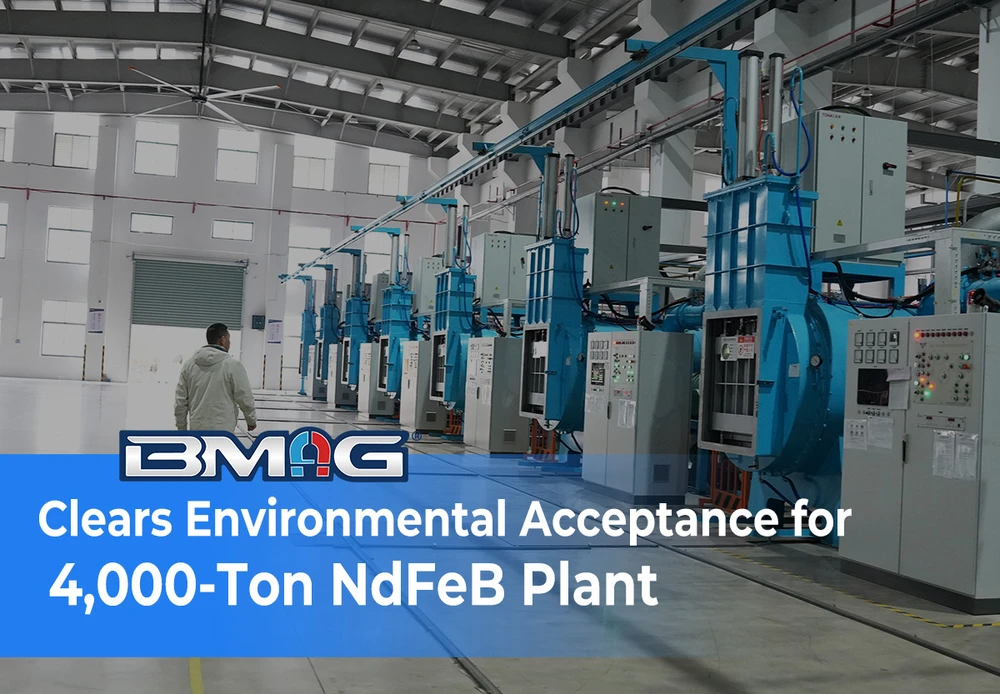
BMAG Magnet is a rare earth magnet manufacturer supplying custom NdFeB magnets for industrial and OEM applications. For elevator PMSM projects, BMAG can support arc, curved, and segment magnets with different grades, coatings, magnetization directions, tolerances, and batch supply requirements. The target product page is: https://www.bmagmagnet.com/neodymium-lifting-magnets/
Conclusie
Arc neodymium magnets are essential components in modern elevator PMSM traction motors. Their quality affects motor efficiency, torque stability, low-speed smoothness, noise, vibration, and long-term reliability. Buyers should evaluate not only magnetic strength, but also temperature resistance, demagnetization behavior, geometry accuracy, coating reliability, magnetization direction, and batch consistency.