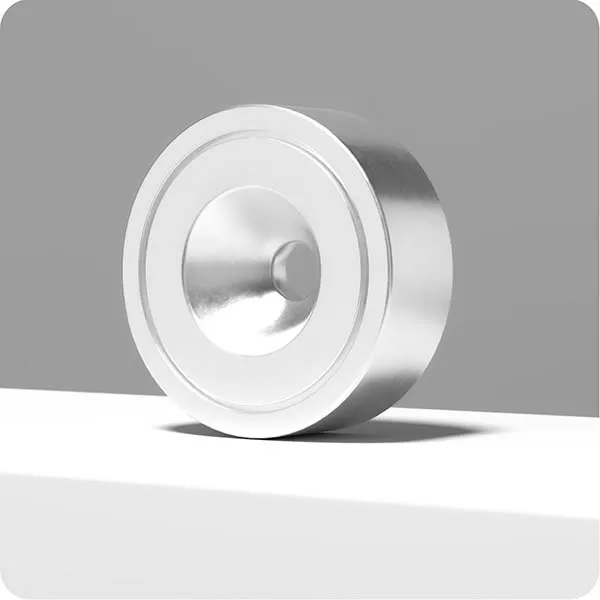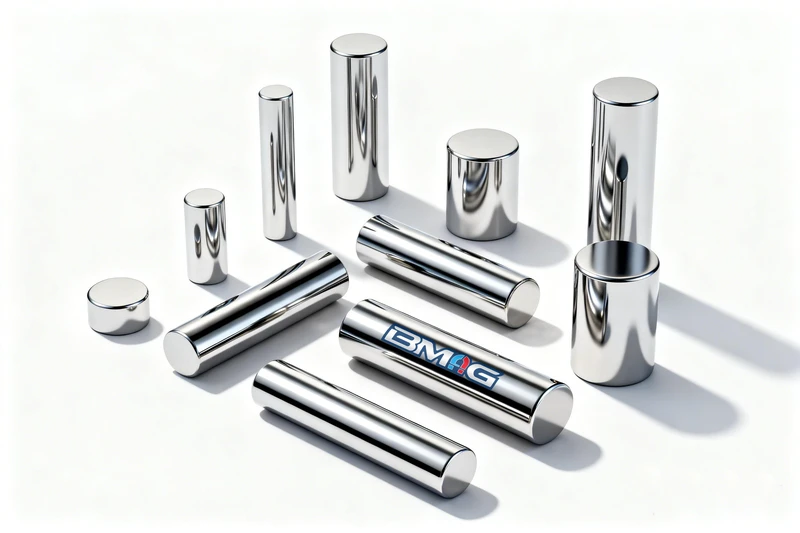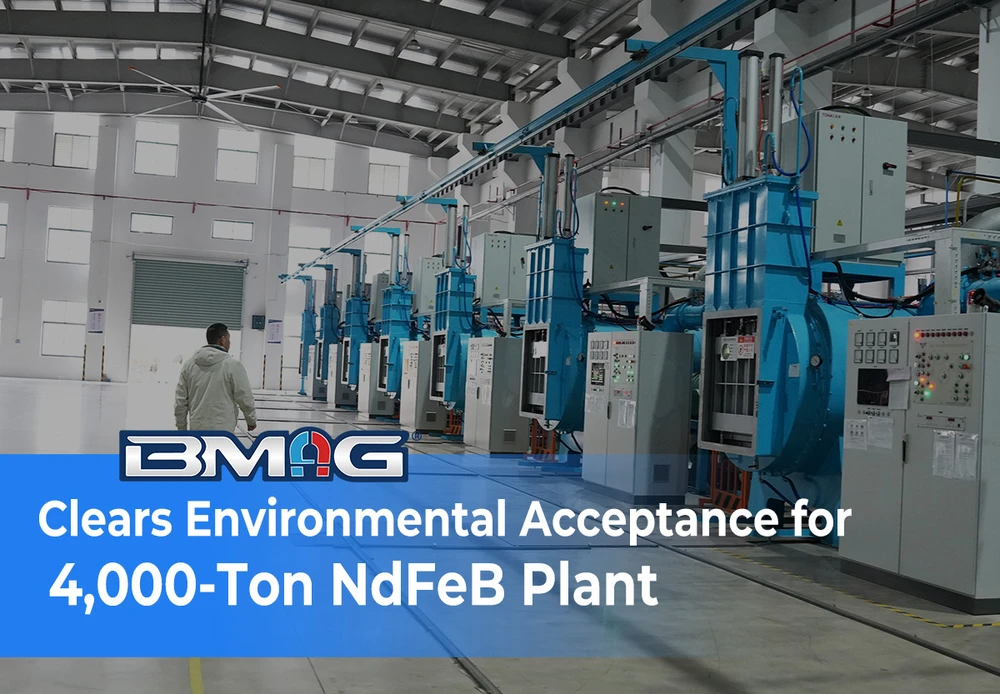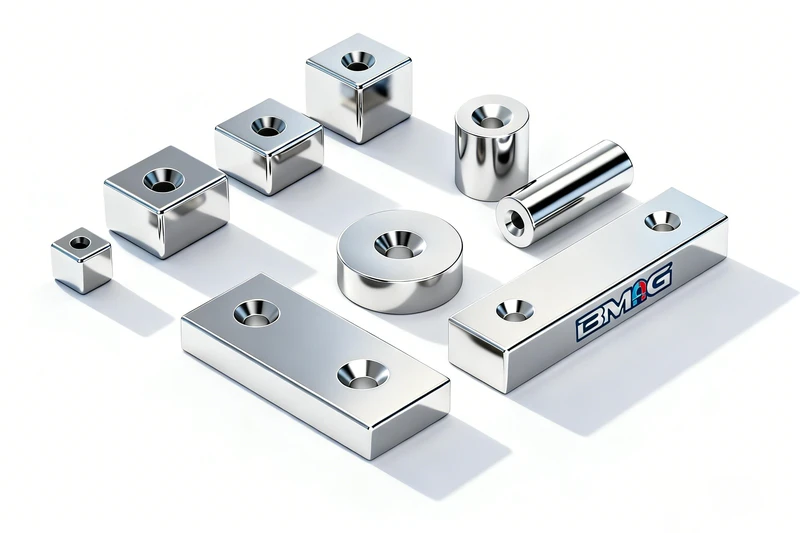









Neodymium iron boron (NdFeB) magnets are among the strongest permanent magnets available today. They are widely used in industries such as electric motors, renewable energy, consumer electronics, automotive systems, medical devices, and industrial automation.
However, the performance of a magnet-based product often depends not only on the magnet grade itself but also on the reliability of the supplier behind it. Inconsistent magnetic performance, unstable supply, or poor machining accuracy can directly affect your product quality and manufacturing efficiency.
In reality, the global NdFeB magnet supply chain is highly concentrated, and supplier capabilities can vary dramatically in terms of technology, scale, and quality control.
For procurement managers, engineers, and product developers, selecting a reliable NdFeB magnet supplier is therefore a critical decision. This guide explains how to evaluate suppliers systematically and avoid common sourcing risks.

Define Your Magnet Requirements
Before evaluating NdFeB magnet suppliers, it is essential to clearly define your own application requirements and procurement priorities. In many sourcing projects, problems arise not because suppliers lack capability, but because the buyer’s requirements are not clearly structured at the beginning.
Selecting a magnet supplier is not only about choosing a product that meets technical specifications. It also involves evaluating whether the supplier can support your technical challenges, supply stability, and long-term business needs.
Different applications place very different demands on suppliers. Therefore, buyers should first determine what type of requirements their project emphasizes.
Technical Requirements and Engineering Complexity
Some applications involve extreme operating environments or advanced engineering requirements, which may require suppliers with strong technical capabilities.
Examples include:
- High-temperature environments requiring grades such as SH, UH, or EH
- High-speed motors that demand precise magnetic consistency
- Miniaturized electronic devices requiring ultra-small precision magnets
- Specialized industries where technical know-how or patented processes may create barriers to entry
In such cases, selecting a supplier with strong engineering capabilities and experience in similar industries is essential. These suppliers are more likely to provide effective technical solutions, rather than simply supplying standard catalog products.
Supply Stability and Production Consistency
For many industrial applications, especially in automotive, electronics, or large-scale manufacturing, supply reliability is often more critical than individual product performance.
Buyers should evaluate whether a supplier can support:
- Stable mass production over long periods
- Consistent magnetic properties across different batches
- Reliable lead times that match production schedules
- Quality control systems capable of minimizing variations
Even small inconsistencies in magnet performance can affect the efficiency of motors, sensors, or automated equipment. Therefore, suppliers must demonstrate strong production management and quality assurance systems.
Long-Term Supply Partnership
Some projects require magnets over many years of the product lifecycle, particularly in industrial equipment or automotive components.
In these cases, buyers should consider whether the supplier can support long-term cooperation, including:
- Stable raw material sourcing
- Long-term production capability
- Ongoing engineering support for product updates or improvements
A supplier that can grow alongside the customer’s product development can reduce the risks associated with supplier switching in the future.
Cost Efficiency and Pricing Strategy
While technical capability and supply stability are critical, cost efficiency also plays a major role in supplier selection.
NdFeB magnet prices are influenced by multiple factors, including:
- Rare earth material costs
- Magnet grade and size
- Machining complexity
- Coating requirements
- Order volume
Some applications prioritize performance and reliability, while others require a balance between performance and cost.
Clearly defining your pricing expectations helps identify suppliers whose capabilities align with your project’s economic goals.
Why Requirement Clarity Improves Supplier Selection
When buyers clearly define their priorities—whether technical complexity, supply stability, long-term partnership, or cost efficiency—it becomes much easier to identify suitable suppliers.
This clarity also improves communication with potential partners, allowing them to provide more accurate quotations, realistic lead times, and better technical recommendations.
Ultimately, a well-defined requirement framework helps buyers move beyond simple price comparisons and select suppliers that truly support the success of their projects.
Factory vs. Trading Company
Factory vs. trading company, which one actually fits your business model? In practice, the answer is rarely absolute. Both models exist because they serve different types of buyers and procurement strategies. When sourcing from overseas, you will encounter both direct manufacturers and specialized trading companies. Neither is inherently “better,” but the choice significantly impacts your operations.
Magnet Manufacturers (Factories)
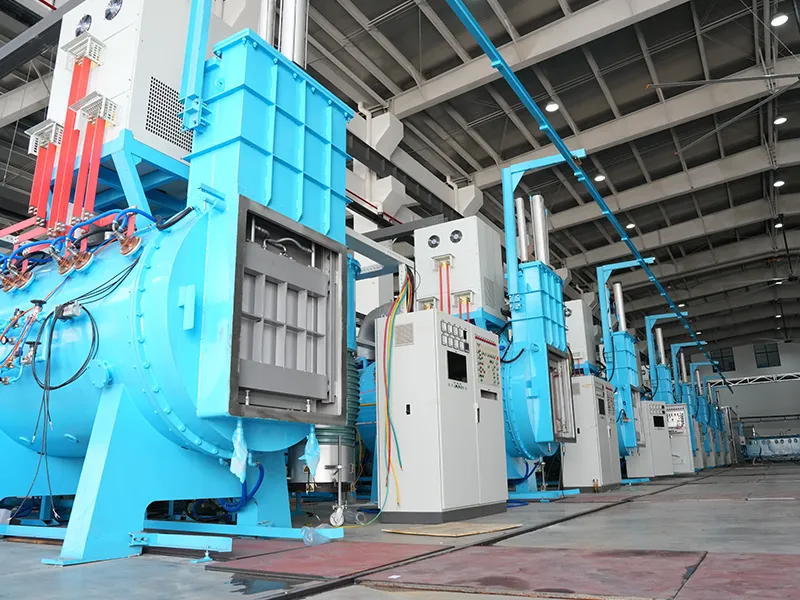
Factories are directly involved in magnet production, which typically includes powder preparation, pressing, sintering, machining, coating, and magnetization.
Advantages:
- Direct pricing without intermediary margins
- Greater control over production quality and processes
- Stronger technical support for custom designs
- More flexibility for material grades, tolerances, and coatings
Potential limitations:
- Some factories focus mainly on large-volume orders
- Communication may be slower if the company lacks international sales experience
- In the absence of effective regulatory mechanisms, the factory indeed faces a significant risk of severe quality fluctuations during long-term supply operations.
Trading Companies
Trading companies act as intermediaries between manufacturers and overseas buyers. They usually source magnets from multiple factories and resell them.
Advantages:
- Easier communication for small buyers
- Access to multiple product types from different manufacturers
- Potentially flexible order quantities
Potential limitations:
- Higher prices due to additional margins
- Limited control over production quality
- Less technical depth for complex magnet applications
For projects involving custom grades, strict tolerances, or large production volumes, working directly with a qualified manufacturer often provides better cost efficiency and technical reliability.
Common Myth
Common Myth: “I’ll go straight to the factory to cut out the middleman; that’s how I’ll get the lowest price.”
In B2B procurement, “disintermediation” is often treated as a golden rule. However, many buyers overlook the fundamental economic logic of the supply chain. In reality, the situation is often more nuanced:
Procurement Leverage: Retail vs. Wholesale Pricing
If you are a small-to-medium-sized client with a yearly demand of, for example, only one ton, a large-scale factory will categorize you as a “retail” account. Consequently, you will be quoted standard retail rates rather than preferred industrial pricing.
Management Premium and Production Efficiency
Large-scale factories carry massive overheads—factory rent, depreciation of expensive vacuum induction furnaces, environmental compliance systems, and high administrative costs—all of which are amortized into the price of every single magnet.
The Mismatch Cost: If your project only requires standard-performance magnets, but you partner with a factory optimized for high-performance automotive grades, you are effectively subsidizing their R&D and high-end management costs.
The Trading Company Advantage: Professional trading companies possess a “supply chain map.” They know exactly which mid-sized factory has the specific machinery best suited for your order. By leveraging the lower overhead of these specialized manufacturers, they can match you with the most cost-effective production capacity.
The Quality Control Paradox: “Self-Inspection” Risks
Factories operate on a model of “self-production and self-inspection.” When a production line encounters an issue, the factory has a strong financial incentive to overlook minor flaws or “rework” sub-par batches to minimize scrap loss.
In contrast, a trading company acts as an independent “Quality Filter.” By conducting horizontal comparisons across multiple suppliers and enforcing strict incoming inspections, they represent the buyer’s interests, ensuring that defects are caught before the goods leave the country.
Financial and Risk Costs
Cash flow is a hidden cost of procurement. While most factories demand rigid, upfront payment terms, many mature trading companies offer flexible payment solutions (such as Net 30 days) to retain high-value clients. For a buyer, this improved liquidity is a direct form of cost saving.
When choosing between a magnet factory and a trading company, the decision should not be based on their respective identities.Instead, you must first clearly define your underlying requirements—volume, technical complexity, and budget—and then evaluate each potential partner based on how well their resources align with those specific needs.
How to Find the Magnet Supplier/Manufacturer That Best Suits My Needs
Choosing the right partner involves looking beyond the price tag. The following seven dimensions are critical for determining if a supplier aligns with your specific business needs.
Technical Capability & Engineering Support
Is your project for “standard” products or “high-end/precision” components?
Requirements for high-demand applications may include:
- High-temperature environments requiring SH, UH, EH, or other high-temperature grade magnets.
- Motor or sensor applications requiring stable magnetic performance.
- Segment magnets or complex structures.
- High-precision dimensions and strict tolerances.
For projects with high technical requirements, the supplier’s R&D capabilities and engineering experience are often the most important evaluation factors:
- Magnetic circuit design advice.
- Material grade selection recommendations.
- Magnetization scheme design.
- Product optimization suggestions.
For example:
If you require high-performance grades (SH, UH, EH, AH): Prioritize checking whether the supplier masters Grain Boundary Diffusion (GBD) technology. Ask about their Dysprosium (Dy) and Terbium (Tb) addition processes, as this directly determines the magnet’s demagnetization resistance under high loads.
If you require custom shapes or ultra-precision machining: Evaluate the precision of their machining equipment (e.g., wire EDM, internal grinding). If tolerances are within ±0.02mm, you need a partner with high-precision inspection tools (e.g., 2D/3D measuring instruments).
If you are involved in wind power motors, look for suppliers with industry endorsements. They understand the importance of Salt Spray Tests (SST) and Pressure Cooker Tests (PCT) for this industry and will not provide amateur advice regarding coating selection.
Supply Chain Resilience
The core raw materials for NdFeB magnets are rare earth elements, such as:
- Neodymium (Nd)
- Praseodymium (Pr)
- Dysprosium (Dy)
- Terbium (Tb)
These materials are subject to significant price volatility. A mature supplier usually has stable rare earth procurement channels, long-term upstream partnerships, and specific raw material inventory strategies. This provides a mechanism to cope with price spikes and ensures stable delivery capabilities.
Purchasing Leverage
Small-to-medium volume:It is recommended to find service-oriented trading companies or mid-sized factories. They will view you as a VIP client and offer better advantages in production scheduling flexibility and lead-time coordination.
Large volume demand:It is recommended to choose top-tier factories. In this case, what you need is price transparency (formula-based pricing tied to rare earth indices) and capacity assurance.
Quality Depth & Oversight Transparency
For industrial production projects, batch consistency is often more important than the performance of a single product.
When evaluating a supplier, focus on:
- Whether they possess a mature production system.
- Whether they have a complete quality control process.
- Whether they have magnetic performance testing capabilities.
- Whether they can ensure a stable, long-term supply.
Especially for industries like automotive, motors, and automation equipment, stability is often more important than peak performance. Large fluctuations in magnetic properties between batches can lead to:
- Reduced motor efficiency.
- Increased sensor errors.
- Decreased stability of automation equipment.
Please be sure to ask how the supplier manages Statistical Process Control (SPC). Can they provide the B-H Curve (demagnetization curve) for every batch? If possible, visit the facility to see if they possess an independent testing laboratory and a strict incoming quality control system. Evaluate the supplier’s handling of “non-conforming products.” A supplier who can openly show their “quarantine area” for defective products and explain the reasons is more reliable than one claiming “zero defects.”
Cost Structure & Financial Alignment
An excellent supplier should be able to clearly break down costs: Raw material cost + processing fee + coating fee + yield loss. This allows you to clearly understand whether you are paying for the product itself or the supplier’s administrative expenses.
Also, consider your own capital chain capabilities. Factories usually require high prepayments, whereas trading companies may offer Letters of Credit (L/C) or open account (OA) terms, which essentially provide you with supply chain financial support. Lowest prices often hide the highest risks. The most suitable financial plan (e.g., partial shipments, flexible settlement) represents true cost optimization.
Response Speed & Agility
Are technical questions answered in a timely manner? During the prototype development stage, timely responses are crucial to the entire production cycle. Some suppliers have strong production capabilities but rigid processes and low flexibility. You should choose based on your own needs.
In the event of a sudden surge in rare earth prices, can the supplier provide early warnings and price-locking advice? Magnets are not consumer goods; they are long-cycle industrial components. An industry-savvy partner can save you 80% of communication effort.
7. Delivery & Long-Term Partnership
Many industrial products have long life cycles, so magnet suppliers are often not just one-time vendors, but long-term partners. Enterprises need to consider whether the supplier possesses:
- Long-term supply capability.
- Capacity expansion capability.
- Sustained technical support capability.
- Ability to support product upgrades.
- International logistics and transportation experience.
- Rapid issue-handling mechanisms.
When selecting a supplier, companies should evaluate their capacity for stable, long-term supply and their ability to expand capacity as customer demand grows. Simultaneously, it is crucial that the supplier can provide ongoing technical support during product upgrades or design adjustments, such as optimizing magnet grades or specifications. Furthermore, mature international logistics experience (such as magnetic shielding packaging, magnetic inspection reports, and export shipping procedures) can reduce transportation risks, while a sound issue-response mechanism helps in quickly resolving quality or delivery issues. Suppliers with these capabilities are more likely to provide stable and reliable support throughout the entire product life cycle.
Magnet Supplier Evaluation Checklist
| Evaluation Factor | Key Question |
|---|---|
| Technical capability | Can they support SH/UH/EH grades? |
| Machining precision | Can they achieve ±0.02mm tolerance? |
| Quality system | Do they use SPC and batch B-H curves? |
| Supply chain | Do they have stable rare earth sourcing? |
| Pricing model | Is pricing linked to rare earth indices? |
| Regulatory Compliance & Certification | Does the supplier have ISO, RoHS, REACH, or industry-specific certifications? |
| Customization & Engineering Support | Can the supplier provide technical solutions beyond standard products? |
| Batch Testing & Traceability | Can each batch provide B-H curves or demagnetization data? |
| Lead Time Transparency | Can the supplier provide realistic lead times and update proactively? |
| Packaging & Transport Expertise | Does the supplier offer suitable packaging for shipping and export compliance? |
| Problem Response & Issue Handling | How quickly can they respond to quality issues or urgent requests? |
| Long-Term Collaboration Potential | Can the supplier support product upgrades and scale with growing demand? |
| Financial Flexibility | Are payment terms flexible (L/C, OA, Net30), and how does it affect procurement cost? |
| Supply Risk Management | Do they have contingency plans for rare earth price spikes or supply disruptions? |
| Customer References & Track Record | Have they successfully served clients in your industry? |
| Delivery | Do they offer stable lead times? |
Selecting a reliable NdFeB magnet supplier requires evaluating technical capability, production consistency, supply stability, and long-term partnership potential. This guide helps B2B buyers make informed decisions and minimize sourcing risks.