








1. What Are Neodymium Motor Magnets?
Neodymium motor magnets are high-performance permanent magnets made from an alloy of neodymium (Nd), iron (Fe), and boron (B), commonly known as NdFeB magnets. They are the strongest type of commercially available magnets and are widely used in electric motors due to their exceptional magnetic strength and efficiency.
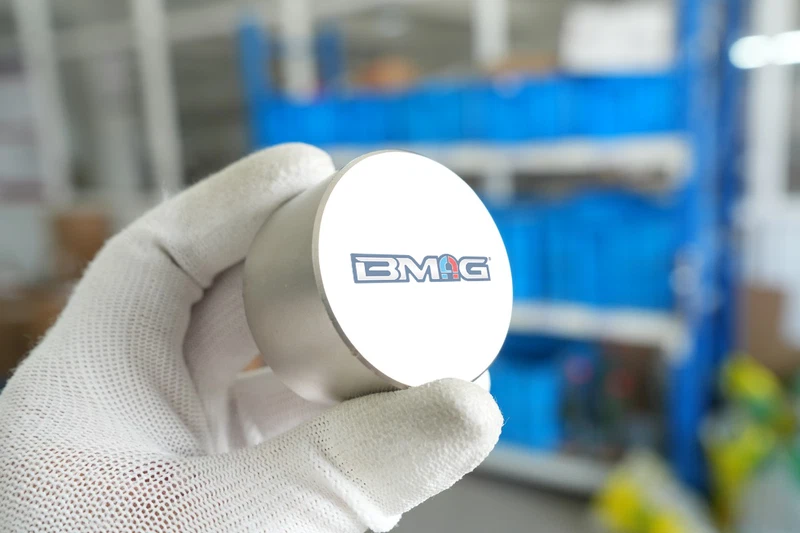
These magnets generate a powerful magnetic field in a compact size, allowing motors to deliver higher torque and improved energy efficiency compared to traditional ferrite or alnico magnets. Because of this, neodymium magnets play a critical role in modern motor design.
2. Common Shapes of Neodymium Motor Magnets
Neodymium motor magnets are manufactured in a variety of shapes to meet different motor designs and performance requirements. Each shape plays a key role in magnetic field distribution, installation, and overall motor efficiency.
2.1 Arc Magnets
Arc magnets (curved magnets) are specifically designed to match the circular structure of motor rotors or stators. They help create a smooth and continuous magnetic field, improving torque output and efficiency.
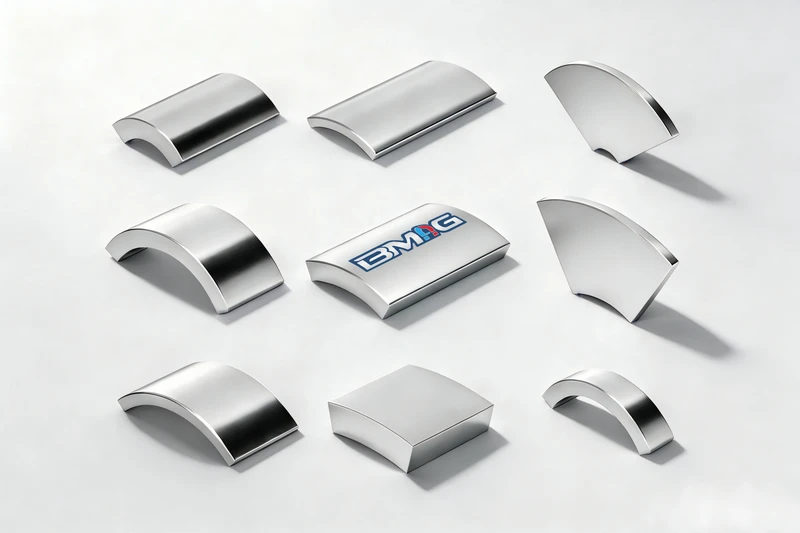
These magnets are widely used in high-performance applications such as electric vehicles, servo motors, and brushless DC motors.
2.2 Block Magnets
Block magnets, also known as rectangular magnets, are one of the most versatile and cost-effective options. Their simple geometry allows for more straightforward processing and assembly compared with more complex magnet shapes.

They are commonly used in industrial motors, linear motors, and general-purpose machinery where complex magnetic field shaping is not required.
In addition to standard arc and block magnets, we also offer customized solutions to meet specific motor design needs.
2.3 Custom Magnets
Custom-shaped neodymium magnets are engineered to meet specific application requirements. These can include magnets with special coatings and tolerances.
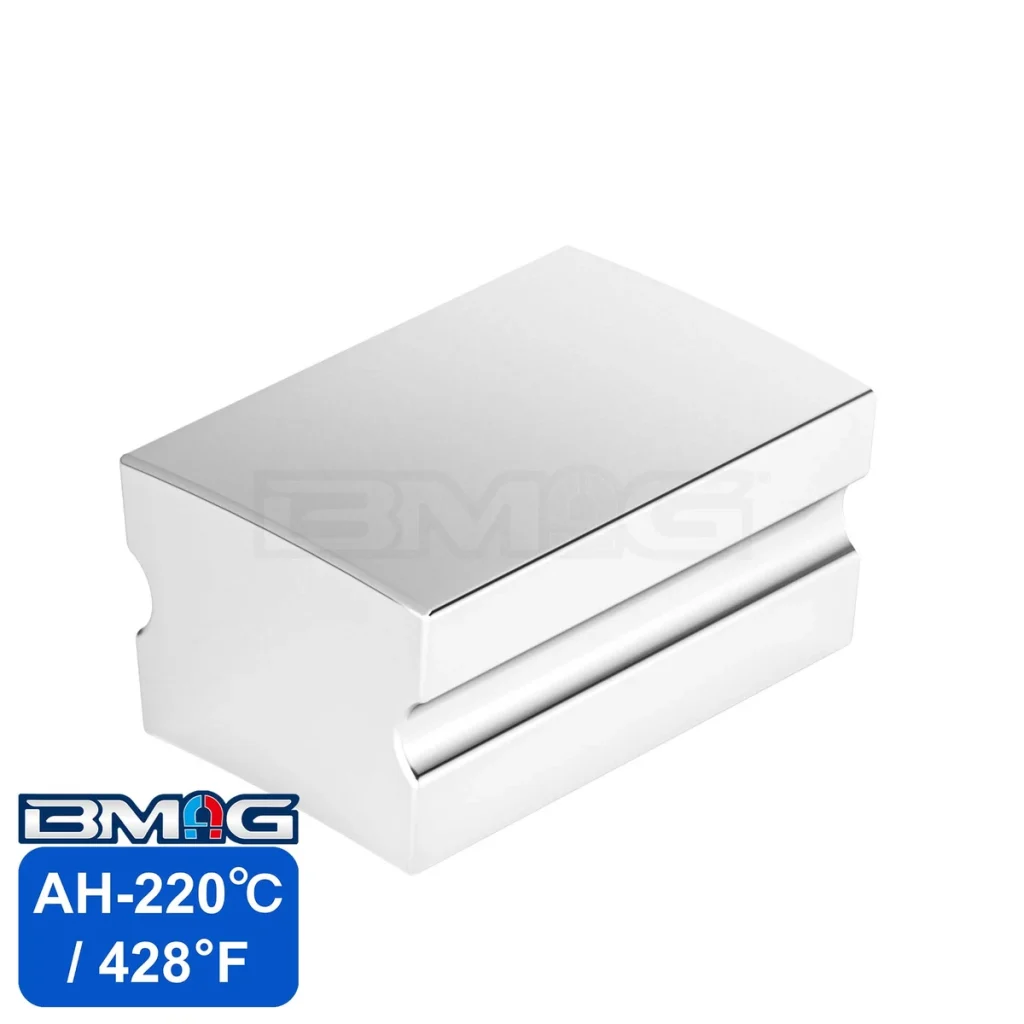
Custom magnets are widely used in advanced industries such as electric vehicles, robotics, and aerospace, where optimized performance and precise fit are critical.
From tailored dimensions to special coatings and magnetization options, we can customize magnets to your exact requirements. Contact us to discuss your project and get a custom solution.
3. Common Coatings for Neodymium Motor Magnets
Neodymium (NdFeB) magnets are prone to corrosion, so protective coatings are essential—especially in motor applications exposed to humidity, temperature changes, or harsh environments. Different coatings provide varying levels of protection, durability, and appearance.
3.1 Nickel Coating (Ni-Cu-Ni)
Nickel coating is the most widely used option for neodymium magnets.
- Triple-layer structure (Nickel–Copper–Nickel)
- Good corrosion resistance
- Smooth, shiny metallic finish
- Suitable for most indoor and general motor applications
3.2 Zinc Coating (Zn)
Zinc coating is a cost-effective alternative to nickel.
- Basic corrosion protection
- Matte finish (blue/white or yellow)
- Lower cost than nickel
- Suitable for low-end or less demanding environments
4. Why Are Neodymium Magnets Preferred in Electric Motors?
Neodymium magnets are preferred for their strong magnetic performance, compact size, and high efficiency. Typically, the motor industry selects the H or SH grade as the mainstream solution, striking an optimal balance between performance and stability. They enable more powerful and energy-efficient motors compared to traditional materials. The table below compares neodymium with ferrite and samarium cobalt magnets to highlight the key differences.
4.1 Comparison Table
| Property | Neodymium (NdFeB) | Ferrite (Ceramic) | Samarium Cobalt (SmCo) |
| Magnetic Strength | ⭐⭐⭐⭐⭐ (Very High) | ⭐⭐ (Low) | ⭐⭐⭐⭐ (High) |
| Size & Weight | Compact & Lightweight | Large & Heavy | Medium |
| Motor Efficiency | Very High | Low | High |
| Cost | Medium | Low | Very High |
| Temperature Resistance | Up to ~150–200°C(H、SH UH、EH) | Good | Excellent (>250°C) |
| Corrosion Resistance | Needs coating | Excellent | Excellent |
| Machinability | Easy | Easy | Difficult |
| Typical Applications | EV motors, robotics, CNC | Basic motors, appliances | Aerospace, high-temp motors |
4.2 Quick Conclusion
- Choose Neodymium (NdFeB): Best for high efficiency, compact size, and overall performance (most motor applications)
- Choose Ferrite: Best for low-cost, low-performance applications
- Choose SmCo: Best for extreme high-temperature or harsh environments
In most modern electric motors, neodymium magnets offer the best balance of performance and cost.
5. Key Applications of Neodymium Motor Magnets in Electric Motors
Neodymium (NdFeB) motor magnets are widely used in modern electric motors due to their high magnetic strength, compact size, and excellent efficiency. They play a critical role in improving motor performance across multiple industries.

5.1 Electric Vehicles (EV Motors)
Neodymium magnets are essential in traction motors for electric vehicles.
- Provide high torque and power density
- Improve driving range and energy efficiency
- Enable compact and lightweight motor design
They are widely used in EV drive systems, hybrid vehicles, and e-mobility solutions.
5.2 Industrial Motors
In industrial automation, neodymium magnets are used in high-performance motors.
- Servo motors
- Stepper motors
- CNC machine motors
They help achieve precise control, fast response, and stable operation in manufacturing systems.
5.3 Robotics and Automation
Robotic systems rely heavily on neodymium motor magnets for precision movement.
- High positioning accuracy
- Smooth motion control
- Compact actuator design
They are commonly found in robotic arms, AGVs, and automated production lines.
5.4 Household Appliances
Many modern home appliances use neodymium-based motors to improve efficiency.
- Washing machines
- Air conditioners
- Vacuum cleaners
These motors are quieter, more efficient, and more energy-saving compared to traditional designs.
5.5 Power Tools
Cordless and high-performance tools benefit from neodymium magnet motors.
- Drills
- Grinders
- Electric screwdrivers
They deliver higher torque while keeping tools lightweight and portable.
5.6 Traction Machines
Neodymium motor magnets are widely used in elevator traction machine motors, especially in gearless permanent magnet synchronous motors (PMSM).
They provide:
- High torque at low speed, ideal for smooth elevator operation
- High efficiency, reducing energy consumption
- Compact design, enabling machine-room-less (MRL) elevator systems
- Low noise and vibration, improving ride comfort
Thanks to these advantages, NdFeB magnets are a key component in modern elevator systems, ensuring reliable, energy-efficient, and space-saving performance.
5.7 Aerospace and Medical Equipment
In advanced industries, neodymium magnets are used where precision and reliability are critical.
- Aircraft actuators
- Medical imaging devices
- Precision control systems
They ensure stable performance in demanding and high-tech environments.
6. Can Neodymium Motor Magnets Be Used in BLDC Motors?
Yes. Neodymium motor magnets are widely used in Brushless DC Motors (BLDC motors) because they provide high magnetic strength, compact size, and excellent efficiency—key requirements for modern BLDC designs.
6.1 Why Neodymium Magnets Are Used in BLDC Motors
- High Torque: Stronger magnetic field enables higher torque in a smaller size.
- High Efficiency: Reduces energy loss and improves motor performance.
- Compact Size: Allows smaller, lighter rotor designs.
- Fast Response: Supports precise and stable motor switching.
6.2 Common Neodymium Magnet Shapes Used in BLDC Motors
BLDC motors typically use:
- Arc magnets (most common for rotor assemblies)
- Block magnets (in some custom rotor designs)
- Segment magnets (for multi-pole high-performance motors)
6.3 Important Considerations
Although neodymium magnets are ideal for BLDC motors, designers must consider:
- Temperature limits (usually up to 150–200°C depending on grade)
- Corrosion protection (coating required)
- Proper mechanical fixation for high-speed rotation
7. How to Choose Motor Magnets?
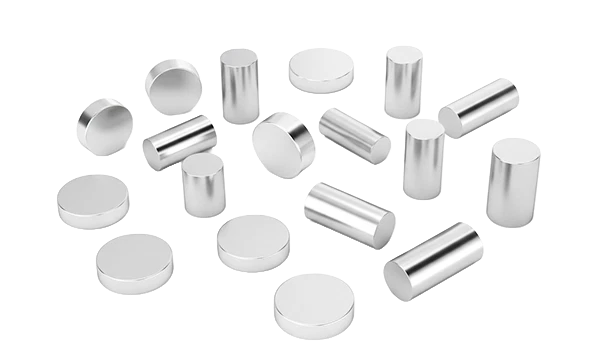
Choosing the right motor magnet is critical for achieving optimal motor performance, efficiency, and reliability. Different applications require different magnetic materials, shapes, and grades, so selection should be based on key technical factors rather than cost alone.
7.1 Operating Temperature
Temperature is one of the most important selection criteria.
- Neodymium (NdFeB): High performance but limited heat resistance (typically up to 150–200°C depending on grade)
- Samarium Cobalt (SmCo): Excellent high-temperature stability (>250°C)
- Ferrite: Good thermal stability but lower magnetic strength
For high-temperature environments, SmCo may be preferred; for standard motors, NdFeB is usually sufficient.
7.2 Required Magnetic Strength
The stronger the magnetic field required, the more advanced the material needed.
- NdFeB: Highest magnetic strength (best for high-performance motors)
- SmCo: High strength with better temperature stability
- Ferrite: Lower strength, suitable for basic applications
7.3 Motor Size and Design
Magnet size directly affects motor design.
- Compact motors → Neodymium magnets (high power density)
- Larger, cost-sensitive motors → Ferrite magnets
- Precision or high-end systems → Neodymium or SmCo
7.4 Cost Consideration
Budget plays a key role in material selection.
- Ferrite: Lowest cost
- NdFeB: Medium cost, best performance balance
- SmCo: Highest cost, used in specialized applications
7.5 Corrosion Resistance
Environmental conditions must also be considered.
- NdFeB: Requires coating (nickel, epoxy, zinc)
- SmCo: Naturally corrosion resistant
- Ferrite: Good natural resistance
7.6 Mechanical Requirements
Motor design may require specific magnet shapes and mounting methods.
- Arc magnets: Common in rotor assemblies
- Block magnets: Flexible and easy to assemble
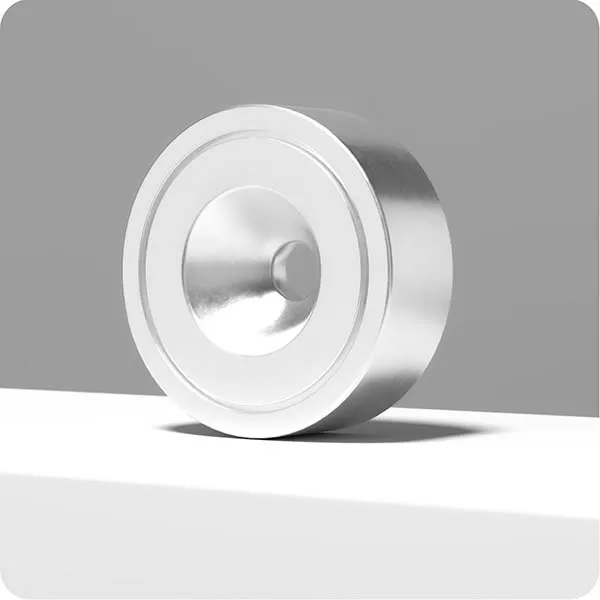
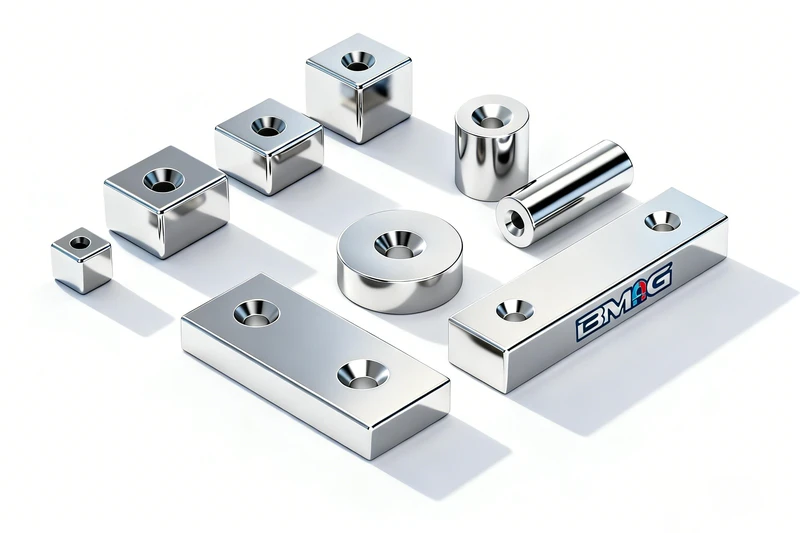
- Ring/countersunk magnets: Used for shaft-based or fixed installations
8. Conclusion
Neodymium motor magnets are the preferred choice for modern electric motors due to their high magnetic strength, compact size, and excellent efficiency, making them widely used in EVs, BLDC motors, and industrial applications. Compared with ferrite and SmCo magnets, they offer the best overall performance balance for most uses.