








Sourcing elevator traction machine rotor magnets is not the same as buying standard arc magnets from a catalog. For PMSM traction motors, buyers must evaluate magnetic performance, thermal stability, arc geometry, magnetization direction, coating reliability, batch consistency, and OEM customization capability.
A low-quality magnet may cause torque fluctuation, motor vibration, demagnetization, coating failure, rotor assembly problems, inconsistent production batches, and after-sales risk. Price matters, but in elevator applications, long-term safety and reliability matter more. You can also review NdFeB technical data for specification reference.
Clarify Your Project Requirements First
Motor Design Requirements
Before contacting suppliers, define rotor diameter, pole number, magnet arc angle, magnet thickness, air gap, expected torque, rated speed, and working temperature. These parameters determine the grade, geometry, and magnetization design.
Application Requirements
Elevator load, operating frequency, start-stop cycles, installation environment, long-term heat exposure, noise target, and vibration requirement should be shared with the supplier. Elevator PMSM magnets must support stable operation under repeated daily use.
Manufacturing Requirements
Buyers should also clarify annual volume, prototype quantity, delivery schedule, inspection report format, packaging, and traceability requirements. This helps prevent later supply and quality disputes.
How to Choose the Right Arc Neodymium Magnet
Magnet Grade Selection
N35 to N55 grades offer different magnetic performance, but the highest grade is not always the best choice. Elevator PMSM applications often require coercivity, temperature resistance, demagnetization resistance, and long-term stability. H, SH, UH, EH, or AH grades may be needed depending on motor temperature and safety margin.
Coating Selection
Elevator traction machines may face humidity, condensation, oil mist, and temperature fluctuation. Common options include NiCuNi, epoxy, zinc, phosphate, or custom anti-corrosion coatings. Coating should be selected according to environment, life expectancy, and assembly method.
Magnetization Direction and Magnetic Deviation
Arc magnets require accurate magnetization direction. Magnetic deviation can affect air-gap flux density, torque ripple, noise, and vibration. A qualified supplier should be able to control and inspect magnetization angle or magnetic deviation.
Dimensional Tolerance and Arc Geometry
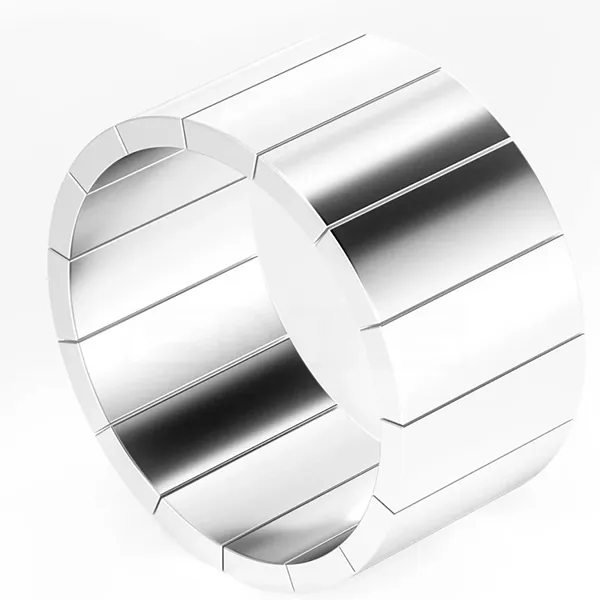
Arc length, thickness, width, inner radius, outer radius, and chamfer design all affect rotor assembly. Poor tolerance control may change the air gap and influence motor efficiency and noise.
How to Balance Performance and Cost
The lowest unit price does not always mean the lowest total cost. Unstable magnet quality can increase motor testing cost, assembly rejection, warranty risk, and maintenance cost. Buyers can control cost by optimizing magnet size, avoiding over-design, selecting the right temperature grade, validating samples before mass production, and working with the supplier on tolerance and coating requirements.
How to Evaluate an Elevator Rotor Magnet Supplier
| Supplier Capability | What Buyers Should Verify |
| Grade matching | Written grade data and magnetic performance report |
| Thermal stability | Demagnetization curve and high-temperature test data |
| Geometry processing | Arc radius, thickness, width, chamfer tolerance |
| Magnetic deviation control | Magnetization direction inspection data |
| Coating reliability | Salt spray test or coating adhesion report |
| Batch consistency | Incoming and outgoing inspection records |
| OEM customization | Ability to adjust shape, coating, grade, and magnetization |
| Cost control | Engineering support for avoiding over-design |
What Documents Should Buyers Request?
Important documents include material certificate, magnetic property report, demagnetization curve, dimensional inspection report, coating test report, salt spray test, RoHS or REACH documents, ISO certificate, sample inspection report, and batch traceability report.
Sample Validation and Quality Closed Loop
Sample inspection should check dimensions, magnetic properties, coating, magnetization direction, and assembly fit. Motor-level testing may include back EMF, torque ripple, temperature rise, vibration, noise, and long-term running performance. Feedback from testing should be used to adjust grade, coating, magnetization, tolerance, or shape before mass production.
Transaction Details Buyers Should Confirm
Before placing a bulk order, confirm MOQ, lead time, sample cost, tooling cost, packaging method, batch inspection standard, delivery terms, payment terms, warranty responsibility, handling of non-conforming products, and engineering support after delivery.
Why BMAG Magnet Is Suitable for Elevator PMSM Magnet Projects
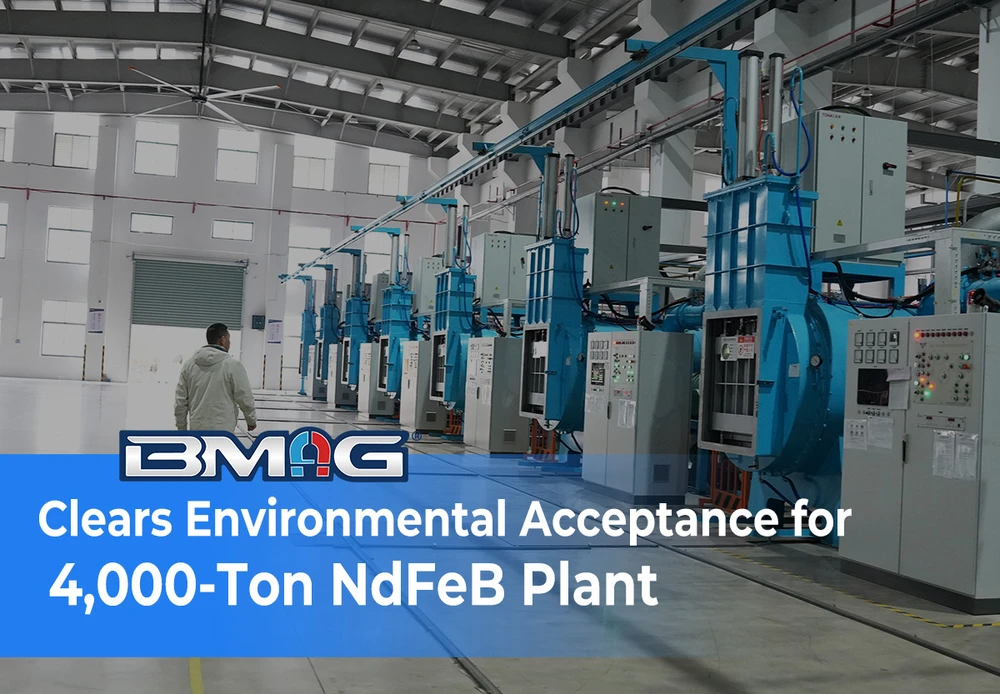
BMAG Magnet supports custom arc, curved, and segment NdFeB magnets for industrial OEM projects. The company can support N28–N55 grades, high-temperature grades, custom coatings, magnetization direction requirements, tolerance control, sample validation, and batch supply. Product page: https://www.bmagmagnet.com/neodymium-lifting-magnets/
Conclusion
Elevator traction machine rotor magnets require more than strong magnetic force. Buyers should evaluate grade, temperature stability, curved geometry, magnetic deviation, coating, inspection data, sample validation, and batch consistency. A qualified supplier should provide engineering support, written reports, and a clear quality closed loop from sample to mass production.